
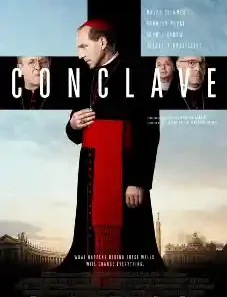
Conclave (2024) – Complete Review – Zvideo
The movie opens in a tense and somber atmosphere as the Pope, the leader of the Catholic Church, passes away, throwing the Vatican into a state of uncertainty. Cardinal Lawrence (Ralph Fiennes), a seasoned and astute figure, is entrusted with overseeing the secretive and highly confidential process of selecting a new Pope. As head of the conclave, Lawrence must navigate the complex political landscape, managing the competing factions within the church, while also keeping the world’s eyes from prying into the sacred proceedings.
The drama unfolds as two primary factions within the church vie for influence. On one side is Cardinal Bellini (Stanley Tucci), a progressive figure who advocates for reform in the church, promoting a more inclusive stance toward women, LGBT people, and modernity. Bellini’s liberal views challenge the church’s traditional norms, making him a key player in the battle for the papacy.
Opposing Bellini is Cardinal Tedesco (Sergio Castellitto), a staunch conservative determined to return the Catholic Church to its more traditional roots. Tedesco sees the church’s modernizing attempts as a dangerous departure from its true path and aims to strengthen the church’s conservative ideology, believing this is the only way to restore its former glory and power.
Amidst this ideological war stands Cardinal Tremblay (John Lithgow), a seasoned churchman whose past is shrouded in scandal. Rumors swirl about his retirement, prompted by a request from the late Pope, but Tremblay is nonetheless a prominent candidate. His personal history and the dark secrets that threaten to come to light add a layer of intrigue and tension to the already fraught situation.
As the conclave progresses, Lawrence must grapple not only with the theological and political tensions among the cardinals but also with the moral dilemma of choosing the right leader for a divided and fractured institution. Each decision made during the conclave could have profound implications for the future of the church, its relationship with the faithful, and its place in the modern world.
Character Analysis
Cardinal Lawrence (Ralph Fiennes)
Ralph Fiennes delivers a masterful performance as Cardinal Lawrence, a man of immense responsibility who finds himself caught in the middle of a theological and political maelstrom. Lawrence is portrayed as a man who deeply understands the gravity of the situation, fully aware that the choice of the next Pope could shape the future of the church for generations. His leadership in presiding over the conclave is marked by his calm, composed demeanor, yet beneath the surface, Lawrence wrestles with his own personal beliefs, doubts, and the competing pressures of the cardinals. Fiennes brings a sense of gravitas to the role, making Lawrence a complex and relatable character torn between his duty and his own moral compass.
Cardinal Bellini (Stanley Tucci)
Stanley Tucci’s portrayal of Cardinal Bellini is a highlight of the film. Bellini is the embodiment of modernism and reform, advocating for change within the church. He is passionate, charismatic, and willing to challenge centuries of tradition in the hope of creating a more inclusive and progressive church. Bellini’s vision includes acceptance of women and LGBT people, which directly clashes with the conservative views held by other cardinals, particularly Tedesco. Tucci’s performance captures the complexity of Bellini, a man who believes he is fighting for the future of the church, even as his opponents view him as a dangerous disruptor of tradition.
Cardinal Tedesco (Sergio Castellitto)
Sergio Castellitto’s portrayal of Cardinal Tedesco is equally compelling. Tedesco is an extreme conservative, representing a faction within the church that wishes to reverse the progress made in recent years and restore the church to its traditional, pre-modern state. Castellitto brings a sense of unwavering determination to the role, making Tedesco a formidable antagonist in the battle for the papacy. His views are radical, and his belief in the sanctity of tradition drives him to take extreme measures to ensure that the church does not veer too far from its original teachings.
Cardinal Tremblay (John Lithgow)
John Lithgow’s Cardinal Tremblay is a complex figure, adding layers of intrigue and suspense to the film. Tremblay is a candidate with a checkered past, including a scandal that may have prompted the late Pope to request his retirement. Despite this, Tremblay is still a key contender for the papacy. Lithgow’s performance brings a sense of ambiguity to the character—his motivations are unclear, and it is uncertain whether he is truly fit to lead the church. The weight of his past and the secrets he holds only add to the drama, making his role in the conclave all the more unpredictable.
Themes
Power Struggles and Political Intrigue
At its core, Conclave is a political thriller, and much of the film revolves around the internal power struggles within the Vatican. The cardinals are not simply spiritual leaders—they are political players vying for influence and control over the future direction of the church. The ideological divide between the progressive Bellini and the conservative Tedesco reflects larger societal debates about the role of religion in the modern world. Each faction believes its views are the only way to ensure the church’s survival, and this ideological battle takes center stage throughout the film.
Tradition vs. Modernity
One of the central themes of Conclave is the tension between tradition and modernity. Cardinal Tedesco’s desire to return the church to its historical roots clashes with Cardinal Bellini’s call for reform and inclusivity. This struggle mirrors broader societal debates about the role of tradition in an increasingly globalized and progressive world. Conclave explores how institutions like the Catholic Church must balance maintaining their long-standing traditions with the need to adapt to the changing needs of society.
Moral Dilemmas and Leadership
The film also delves into the moral dilemmas faced by those in power. Cardinal Lawrence, tasked with overseeing the election, must navigate a delicate balance between his personal beliefs and the duty to act in the best interest of the church. The process of selecting a new Pope is shown as a deeply human decision, fraught with ethical and moral complexities. As the cardinals maneuver for power, they must also confront their own consciences and decide what kind of leader they want to choose for the future of the church.
Secrets and Scandals
Another key theme in Conclave is the presence of secrets and scandals. Cardinal Tremblay’s past, shrouded in mystery, adds an element of intrigue to the story. His potential rise to the papacy is clouded by rumors of his previous indiscretions, and his role in the conclave raises questions about whether the church can truly escape its history of corruption and scandal. The theme of secrets lurking behind the façade of power is a critical aspect of the film, highlighting the complexities of leadership within the Catholic Church.
Cinematography and Direction
Edward Berger’s direction in Conclave is subtle yet effective. The film’s pacing is deliberate, allowing the tension between the characters to build gradually. The setting of the Vatican is captured in all its grandeur and solemnity, with the shadowy, labyrinthine halls of the Vatican creating an atmosphere of secrecy and intrigue. The cinematography enhances the film’s tone, with moody lighting and close-up shots that emphasize the characters’ internal struggles.
The decision to shoot much of the film in confined, claustrophobic spaces—such as the Vatican’s sacred chambers and the conclave room—mirrors the sense of isolation felt by the cardinals as they are forced to make one of the most important decisions in the history of the church. The cinematography effectively communicates the weight of the decisions being made, adding to the overall suspense.
Soundtrack and Music
The soundtrack of Conclave is minimalistic but powerful, featuring haunting, orchestral scores that underscore the film’s somber tone. The music helps to heighten the emotional impact of key moments, particularly during the moments of tension within the conclave. The absence of overtly dramatic music in many scenes also contributes to the film’s overall sense of restraint, emphasizing the quiet, internal struggles of the characters as they face impossible decisions.
Conclusion
Conclave (2024) is a masterfully crafted political thriller that expertly blends theological and political drama with complex characters, intense power struggles, and moral dilemmas. The performances from Ralph Fiennes, Stanley Tucci, and John Lithgow are outstanding, each bringing depth and nuance to their roles. Edward Berger’s direction and the film’s cinematography heighten the tension and suspense, making Conclave a gripping and thought-provoking cinematic experience.
At its heart, Conclave is about power, belief, and the choices that shape the future of an institution as old as the Catholic Church. The ideological divide between progressivism and conservatism, the weight of tradition, and the secrets lurking behind closed doors all come together to create a thrilling narrative. Conclave is a film that not only entertains but also invites audiences to reflect on the nature of leadership, faith, and the complex intersections of power and morality in our world.
Related Article

Mary Cassatt: Painting the Modern Woman 2023 – Complete Review – Zvideo
The Mollie Project 2025 – Complete Review – Zvideo
