
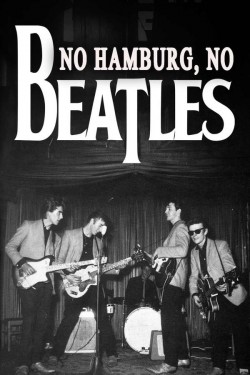
No Hamburg No Beatles (2024) – Complete Review – Zvideo
John Lennon’s famous words, “We were born in Liverpool but grew up in Hamburg,” encapsulate an essential truth about the Beatles’ journey to becoming a global sensation. “No Hamburg No Beatles” (2024) delves into the heart of this statement, offering an insightful documentary on how the band’s formative years in Hamburg, Germany, were crucial to their development. This documentary captures the time when the Beatles were still a largely unknown band, before their eventual rise to worldwide stardom.
Released on December 6, 2024, “No Hamburg No Beatles” explores the long and winding road that led the Beatles to international fame, emphasizing the crucial role Hamburg played in their evolution. This documentary sheds light on the intersection of music, youth, and a city steeped in vice, all of which contributed to shaping the legends of John Lennon, Paul McCartney, George Harrison, and Ringo Starr.
The Beatles’ musical journey is often told through the lens of their most significant moments, such as the formation of the Fab Four, their groundbreaking albums, and their meteoric rise to fame. However, much of their foundational development happened on the gritty stages of Hamburg’s nightclubs, where the band learned to hone their craft, engage with an audience, and build their identity.
In this review, we will delve into the documentary’s historical significance, thematic exploration, visual aesthetics, key characters, and much more, providing a comprehensive analysis of this compelling film.
Historical Significance: Hamburg’s Impact on the Beatles
In the early 1960s, long before the Beatles became household names, they were still known as “The Quarrymen” and struggling to find their unique sound. At the time, they were far from the polished and internationally adored group they would later become. Their path to stardom was anything but smooth, and it was in Hamburg, Germany, where they would experience the formative stage of their musical journey.
The documentary “No Hamburg No Beatles” asserts that without the band’s time spent in Hamburg, their rise to fame may never have happened. The city, having become the “vice capital of Europe” after World War II, was home to sailors, prostitutes, drug dealers, and gangs, setting a stark contrast to the wholesome image of the Beatles that would later be associated with them. The neon-lit streets of Hamburg, filled with colorful yet grim characters, provided a unique backdrop for the young and inexperienced band.
The documentary dives into the raw and often chaotic environment of Hamburg’s nightlife. At a time when the Beatles were still very much in their developmental stages, they spent grueling hours performing in dark, smoke-filled clubs. The intense schedule and demanding club owners pushed the band members to perfect their skills, experiment with new sounds, and develop the chemistry that would later define their music.
Interestingly, the documentary highlights that George Harrison, the youngest of the group, was just 17 years old when they first arrived in Hamburg. The band, mostly teenagers at the time, were far from the world-famous icons they would eventually become. However, their time in Hamburg transformed them both musically and personally. It allowed them to find their rhythm, style, and unique identity as a band, ultimately paving the way for their success in the following years.
The Evolution of the Beatles’ Sound
Before their Hamburg journey, the Beatles were still evolving. Their earlier performances were often rough around the edges, and they had not yet found their distinctive sound. The documentary traces the band’s early days, exploring their roots in Liverpool, where they first began performing as the Quarrymen, before making their fateful trip to Hamburg.
In Hamburg, the Beatles were exposed to a wide range of musical influences that shaped their later work. The documentary highlights the band’s exposure to American rock ‘n’ roll, blues, and R&B legends such as Little Richard and Chuck Berry, whose styles would have a profound impact on the Beatles’ musical direction. These early gigs, often lasting for hours in cramped, noisy clubs, forced the band members to develop a level of skill and professionalism that would eventually set them apart from other groups of the time.
The documentary’s deep dive into the Beatles’ development reveals how their Hamburg experience significantly influenced their future work, especially in the area of songwriting and performance. Their early performances honed their stage presence and allowed them to build a repertoire of songs that would later resonate with millions.
The Role of Bruno Koschmider
Bruno Koschmider, a prominent figure in Hamburg’s nightclub scene, played a pivotal role in the Beatles’ journey. He was the owner of the Indra and Kaiserkeller clubs, where the Beatles first performed. The documentary captures Koschmider’s complex relationship with the band, emphasizing how his club management shaped their experiences. Despite the sometimes tense interactions between Koschmider and the Beatles, it was his venues that provided the platform for their early performances, where they could experiment and grow as musicians.
Koschmider’s influence is felt throughout the documentary, and his role in helping the Beatles hone their skills cannot be overstated. Through his clubs, the Beatles were able to secure some of their first real exposure to an audience, even though the conditions were far from glamorous. His contribution to their growth as a band adds an important historical layer to the narrative.
The Underbelly of Post-WWII Hamburg
Another significant theme explored in the documentary is the city of Hamburg itself, particularly its transformation in the years following World War II. The documentary paints a vivid picture of a city struggling to rebuild itself after the devastation of the war. By the 1960s, Hamburg had become a hotbed for vice, attracting people from all walks of life, including sailors, gangsters, and those on the fringes of society.
Hamburg’s neon-lit streets became the perfect backdrop for the Beatles’ early career. The documentary delves into how the environment of vice and rebellion in Hamburg influenced the Beatles’ own sense of freedom and creative expression. The city’s gritty, raw nature served as a crucible for the band’s early experiences, fostering a sense of camaraderie and resilience that would later define their success.
Key Figures: Little Richard and Chas Newby
The documentary also highlights the important figures that shaped the Beatles’ experience in Hamburg. One such figure is the legendary Little Richard, whose electrifying performances influenced the Beatles’ musical style. The film includes rare footage of Little Richard and the Beatles interacting during their time in Hamburg, showcasing how his rock ‘n’ roll performances left an indelible mark on the band.
Another key figure discussed is Chas Newby, a bassist who briefly filled in for Paul McCartney during one of the Beatles’ early visits to Hamburg. Newby’s experience with the band is explored in-depth, offering insight into the band’s dynamic during this early period. His short tenure with the group provides a fascinating look at the Beatles before they became the iconic lineup the world knows today.
Visual Aesthetics and Cinematic Style
“No Hamburg No Beatles” is a beautifully crafted documentary that utilizes a mix of rare archival footage, photographs, and interviews with key figures who witnessed the Beatles’ early days in Hamburg. The cinematography is striking, with dark, moody lighting reflecting the gritty atmosphere of the clubs in which the Beatles performed. The film employs a variety of styles to transport the viewer back to the early 1960s, using a combination of contemporary shots of Hamburg and archival footage of the Beatles, interwoven with personal recollections from those who were there.
The use of music is also a central feature of the documentary. The soundtracks, many of which feature early Beatles songs performed in Hamburg, immerse the audience in the atmosphere of the time. The blend of historical context and musical evolution creates a powerful cinematic experience that resonates with Beatles fans and newcomers alike.
Legacy and Influence: The Beatles’ Transformation
By the time the Beatles made their last visit to Hamburg in 1966, they were no longer the unknown, struggling band that had first arrived in the city. They had transformed into a global phenomenon, and their sound had evolved dramatically. The documentary concludes by highlighting the contrast between their early days in Hamburg and their later success, underlining how the city and its environment played an irreplaceable role in their journey.
Hamburg provided the fertile ground for the Beatles to grow as musicians, and the documentary makes a compelling case that without their time there, the band may not have achieved the level of success they did. The city became synonymous with their formative years and left a lasting legacy in the Beatles’ story.
Conclusion
“No Hamburg No Beatles” is more than just a documentary about the Beatles’ early years—it is an exploration of how the city of Hamburg helped shape the musical legends that would go on to change the world. With stunning visuals, powerful interviews, and a deep dive into the historical context of the Beatles’ time in Germany, this documentary offers a fresh perspective on the band’s origins. It is an essential watch for anyone interested in the Beatles’ story and the lasting impact of their formative years.
Whether you’re a lifelong Beatles fan or a newcomer to their music, “No Hamburg No Beatles” provides a compelling narrative that will deepen your understanding of how the Fab Four became the cultural icons we know today.
Related Article

The Three Michaels (2024) – Complete Review – Zvideo

Becoming Hitchcock: The Legacy of Blackmail (2024) – Complete Review – Zvideo