
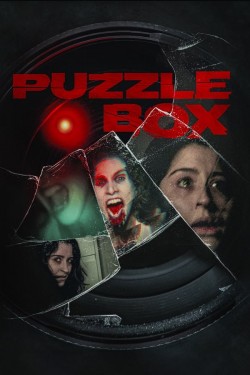
Puzzle Box (2023) – Complete Review – Zvideo
“Puzzle Box,” a gripping psychological thriller released on September 29, 2023, dives deep into the complexities of self-rehabilitation, family bonds, and the haunting interplay between mind and environment. Directed by a team of talented filmmakers, this Australian horror-thriller unfolds in a secluded house in the woods, with its eerie premise and constant tension capturing the audience’s attention from the start. The film blends mystery, horror, and thriller elements seamlessly, offering a chilling narrative that keeps viewers on edge.
In this article, we will review “Puzzle Box,” exploring its plot, characters, performances, cinematography, and themes while considering what sets it apart in the crowded horror-thriller genre.
Plot Overview
The Beginning of the Journey
The movie begins with Kait (played by Kaitlyn Boye), a drug addict struggling to free herself from the grip of addiction. Determined to break free, she flees to a secluded house in the woods in an effort to self-rehabilitate. Her isolation provides her the space to focus on recovery, free from the distractions and temptations of city life.
Kait’s sister Olivia (Cassandre Girard) joins her soon after, intending to document the process, perhaps out of concern for her sister or to provide a form of accountability. As Olivia starts filming Kait’s daily struggles, it becomes clear that both sisters share a complex history, adding layers to their interactions.
A House That Shifts
Soon after their arrival, the sisters begin to realize that something isn’t quite right about the house. The layout appears to change, with rooms shifting positions and doors leading to places they should not. The house transforms into a living, breathing puzzle that traps them inside, creating a claustrophobic atmosphere. The seemingly simple task of navigating the house turns into a psychological nightmare as the boundaries of reality begin to blur.
As the layout changes, the house becomes a metaphor for Kait’s mind—fragmented, unstable, and unpredictable. The shifting walls and rooms reflect the turmoil she experiences in her battle with addiction. What initially seems like a physical escape soon morphs into a psychological one, forcing Kait to confront not only her addiction but also her buried fears and traumas.
The Descent into Madness
As the sisters’ hope for escape dwindles, they must work together to understand the puzzle of the house. Olivia’s role as the observer evolves from a neutral documenter to an active participant, caught in the chaos of a house that seems alive with its own sinister intent. The film intensifies as strange occurrences escalate—disorienting noises, shifting shadows, and rooms that defy logic. With each passing moment, the house tightens its grip on them, and it becomes clear that this is no ordinary house, nor is it just a metaphor for Kait’s addiction.
In their desperate attempts to escape, the sisters realize that the house may be a reflection of their inner struggles. The boundaries between the physical and psychological worlds become more fluid, and the puzzle they must solve seems impossible. As they battle to maintain their sanity, they uncover shocking revelations that suggest they may never escape—if not physically, then mentally.
Themes and Symbolism
Addiction and Self-Rehabilitation
“Puzzle Box” is not just a horror film—it’s a deeply symbolic exploration of addiction and self-rehabilitation. Kait’s retreat into the woods can be seen as a representation of someone trying to escape their own mind and the harsh realities of addiction. The shifting house acts as a constant reminder of the instability of Kait’s mental state. Each time a room changes, it mirrors the unpredictability of her journey to recovery. Addiction is never a straightforward path, and the house encapsulates the confusion and constant battles that those struggling with substance abuse face every day.
The Relationship Between Sisters
The film also delves into the complex relationship between Kait and Olivia. At the start, Olivia’s role is that of a supportive sister, there to document the process and help Kait. However, as the house transforms, so does their relationship. Olivia’s position as an observer shifts to that of a participant in the puzzle, and their dynamic evolves from one of help and support to one of survival and shared terror. Their bond is tested as the house pushes them to their limits. This evolution is a poignant commentary on how relationships are affected under pressure, especially when one person’s issues—such as addiction—begin to overshadow everything else.
The House as a Metaphor
The house in “Puzzle Box” is not just a physical structure; it becomes a symbol of Kait’s internal world. The shifting rooms and unpredictable layout represent the turmoil within her mind as she navigates her addiction and trauma. The film cleverly uses the house as a reflection of her psychological state, with the walls and rooms shifting unpredictably in a manner that mirrors the unpredictability of addiction and recovery.
Psychological Horror
Unlike typical horror films that rely heavily on jump scares, “Puzzle Box” focuses on psychological horror. The film is unsettling not just because of the supernatural elements of the house, but because of the way it explores human consciousness. The shifting layout of the house serves as a visual representation of the characters’ growing sense of confusion, fear, and helplessness.
Themes of Entrapment and Escape
One of the key themes in “Puzzle Box” is entrapment. Not only are the sisters physically trapped in the house, but they are also mentally and emotionally ensnared. For Kait, the house represents her inner prison, a place where her addiction holds her captive. For Olivia, the house represents the emotional burden of trying to save her sister while being consumed by her own fear and anxiety.
Escape is a central theme—both from the house and from the personal demons the characters face. However, as the story unfolds, it becomes clear that escape may not be possible, and the true challenge lies in confronting and understanding their fears, traumas, and addictions.
Character Analysis
Kait (Kaitlyn Boye)
Kait is the heart of the film. Her portrayal as a troubled addict seeking redemption is both raw and haunting. Boye’s performance captures the complexity of someone caught in the throes of addiction, struggling with shame, guilt, and a desperate desire for freedom. As Kait faces both external dangers and internal struggles, Boye’s nuanced performance brings depth to the character, making her journey of self-rehabilitation relatable and poignant.
Olivia (Cassandre Girard)
Olivia, played by Cassandre Girard, starts off as a concerned sister but quickly becomes embroiled in the terror of the house. Girard’s performance shifts as Olivia transitions from a passive observer to an active participant, trapped by the house’s manipulative designs. Olivia’s role in the narrative expands as she helps uncover the secrets of the house while dealing with her own emotions and complicated relationship with Kait.
Supporting Characters
While the primary focus is on Kait and Olivia, the supporting characters, including Matias Klaver, Janelle McMenamin, and Laneikka Denne, play crucial roles in building the eerie atmosphere of the film. Their performances add depth to the unsettling environment that the sisters must navigate.
Cinematography and Direction
“Puzzle Box” excels in its use of cinematography to build tension and atmosphere. The film is visually striking, with the dark, ominous woods and the claustrophobic interior of the house creating a sense of unease from the very first frame. The shifting layout of the house is cleverly conveyed through dynamic camera work, creating a disorienting effect that mirrors the characters’ growing confusion.
The direction by Repeater Productions, Dead Woods Productions, and Welcome Villain Films ensures that the psychological elements of the story are never overshadowed by the horror, maintaining a fine balance between terror and emotional depth. The pacing is deliberate, allowing for moments of quiet reflection before plunging into moments of chaos and fear.
Horror and Mystery Elements
“Puzzle Box” is first and foremost a horror film, but it also cleverly incorporates elements of mystery. The true nature of the house is never immediately explained, creating an air of uncertainty and fear. The audience is left to piece together clues, much like the sisters must solve the puzzle of the house. This mystery is a key aspect of the film’s allure, as viewers are constantly on edge, trying to understand what is happening and what lies beyond the house’s walls.
Conclusion
“Puzzle Box” (2023) is a masterful blend of psychological horror, mystery, and thriller that captivates from start to finish. The film’s exploration of addiction, self-rehabilitation, and the complexities of family dynamics sets it apart from typical horror fare. The shifting house, with its eerie and disorienting layout, serves as both a literal and figurative trap, reflecting the psychological turmoil of the characters.
The performances by Kaitlyn Boye and Cassandre Girard anchor the film, giving the audience a compelling reason to invest emotionally in the characters’ struggles. The strong direction, atmospheric cinematography, and subtle horror elements ensure that “Puzzle Box” is a unique and unsettling cinematic experience.
Related Article

Bono: Stories of Surrender (A) – Complete Review – Zvideo

Fight or Flight – Complete Review – Zvideo
