
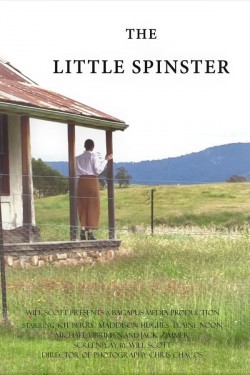
The Little Spinster (2024) – Complete Review – Zvideo
The Little Spinster (2024) is a captivating Australian drama set in the early 20th century, offering a poignant exploration of love, societal pressure, and personal sacrifice. The story takes place in a small town, where the protagonist, a young woman, finds herself facing a life-changing dilemma: marry a wealthy man to secure her family’s future or follow her heart and pursue a forbidden love with the town’s new seamstress. This emotionally charged film touches on themes of class, identity, and defying societal expectations, making it a compelling addition to the genre of historical drama.
Overview of the Plot
Set against the backdrop of rural Australia in the early 1900s, The Little Spinster delves into the life of a young woman who is caught between two contrasting worlds. Her family is struggling financially, and the only way to secure a future for them seems to be through a marriage to a rich, but emotionally distant, suitor. However, as she grows closer to the town’s new seamstress, a forbidden romance begins to bloom.
The seamstress, portrayed as a free spirit and someone who challenges the town’s traditional norms, offers the young woman an escape from her obligations. The internal conflict faced by the protagonist—choosing between duty and love—forms the heart of the film. It’s a story that examines the personal costs of following one’s desires in a time when social expectations weighed heavily on an individual’s choices.
The Setting: Early 20th Century Australia
The film beautifully portrays the small-town Australian setting of the early 1900s, where conservative values and societal norms governed people’s lives. During this period, women were often expected to marry for security rather than love, especially in rural areas where economic hardships were prevalent. Marriages between wealthy families were seen as strategic alliances rather than personal unions based on affection.
The rural town depicted in The Little Spinster is an intimate setting, where everyone knows each other’s business. This creates a pressure-cooker environment for the protagonist, where choices are rarely private, and the repercussions of defying convention can be severe. The clash between personal desires and social expectations is magnified by this small-town dynamic, making the stakes higher for the characters involved.
Character Analysis
The Protagonist: A Struggle Between Duty and Desire
The protagonist, whose name is not explicitly mentioned in the film’s summary, is a young woman who embodies the internal conflict at the heart of The Little Spinster. On one hand, she feels a deep sense of duty to her family, who are struggling financially. On the other hand, she is drawn to the seamstress, a woman who represents freedom, independence, and a life filled with possibilities that transcend the constraints of her upbringing.
The complexity of her character lies in her vulnerability and emotional depth. She is not a passive character; she contemplates the consequences of her choices, weighing the immediate needs of her family against her own desires for a fulfilling, authentic life. This inner turmoil is expertly portrayed by the actress, Kit Berry, whose nuanced performance captures the essence of a woman caught between the expectations of society and the yearning for personal happiness.
The Seamstress: Love and Liberation
The seamstress, played by Maddison Hughes, is the catalyst for the protagonist’s emotional and personal awakening. A woman with an independent spirit, she challenges the norms of the town and offers a vision of freedom that is both alluring and dangerous for the protagonist. While she is not wealthy, the seamstress represents a kind of wealth that is not measured in money—a wealth of personal fulfillment, self-expression, and love.
Her presence in the town symbolizes a quiet rebellion against the traditional roles women are expected to play. She is both a symbol of hope and a reminder of the costs of defying societal norms. Through her character, the film explores themes of sexual liberation, gender roles, and the consequences of pursuing a love that transcends class boundaries.
Supporting Characters: The Family and The Suitor
The protagonist’s family plays a significant role in her internal struggle. The pressure from her family to marry into wealth is constant and ever-present. They represent the traditional values of the time—values that prioritize survival and social standing over personal happiness. Michael Ubrihien, who plays the role of the protagonist’s father, delivers a strong performance that highlights the desperation and pragmatism of a family living on the edge of financial ruin.
The suitor, portrayed by CK Zimmer, is the wealthy man whom the protagonist is expected to marry. He is a man of privilege but lacks the emotional connection with the protagonist. His role in the film is somewhat tragic, as he represents the life the protagonist is expected to lead—one of material comfort but emotional emptiness. While he does not wish ill for the protagonist, his character is a symbol of the life she must choose if she is to uphold her family’s social standing.
Thematic Exploration
Love vs. Duty
At its core, The Little Spinster is a tale of love versus duty. The protagonist must decide whether to follow her heart or make a sacrificial choice to secure her family’s financial future. The film does an excellent job of portraying the weight of this decision, showing that while love may offer emotional fulfillment, it comes with its own set of challenges and consequences.
The societal pressure to marry for security is shown in stark contrast to the passionate, albeit forbidden, relationship between the protagonist and the seamstress. The film masterfully explores the tension between individual desires and the external pressures that shape one’s fate.
Class and Social Expectations
The divide between the wealthy and the working-class is another significant theme in The Little Spinster. The protagonist’s potential marriage to a wealthy suitor is a reflection of the social stratification of the time, where people were often valued by their social status rather than their character. This is highlighted through the character of the seamstress, who, despite her talents and personal qualities, is seen as an outsider because of her lower social standing.
The film critiques these class divisions, showcasing the emotional and social costs of adhering to such rigid structures. By presenting the tension between love and class, The Little Spinster serves as a commentary on the limitations of traditional class-based societies.
Cinematic Techniques
Cinematography
The cinematography in The Little Spinster is stunning, with beautiful shots that capture both the isolation and intimacy of the rural Australian setting. The use of natural light creates a soft, melancholic atmosphere that complements the film’s emotional tone. The quiet, understated visuals serve as a metaphor for the internal struggles of the protagonist, emphasizing her sense of entrapment and longing.
Wide shots of the small town, with its simple buildings and expansive landscapes, underscore the protagonist’s isolation, while close-ups capture the subtleties of the characters’ emotions. The film’s pacing is deliberate, allowing the viewer to reflect on the weight of the protagonist’s decisions.
Music and Sound
The soundtrack of The Little Spinster is subtle yet powerful, with a score that enhances the emotional weight of the story. The music is often sparse, reflecting the quiet intensity of the protagonist’s internal world. The use of silence in certain scenes also adds to the tension, allowing the viewer to fully absorb the gravity of the decisions being made.
The sound design also plays a crucial role in building the atmosphere. The gentle rustling of the wind, the sounds of everyday life in the small town, and the muted conversations create a sensory experience that draws the viewer into the world of the film.
Reception and Impact
Since its release in August 2024, The Little Spinster has garnered attention for its powerful performances and exploration of timeless themes. The film’s examination of love, societal expectations, and personal sacrifice has resonated with audiences, particularly those who appreciate historical dramas that challenge social norms.
Critics have praised Kit Berry for her portrayal of a young woman torn between her duty to her family and her desire for love. Maddison Hughes’ performance as the seamstress has also been lauded for bringing depth to a character that could have easily been one-dimensional.
While the film is set in a specific historical context, its themes remain relevant today, making it a thought-provoking piece for contemporary audiences. The film’s exploration of gender, love, and social expectations is a conversation that transcends time and place, offering valuable insights into the ways in which society shapes the lives of individuals.
Where to Watch The Little Spinster
The Little Spinster is available to watch online for free on various streaming platforms. To find where you can stream it, you can search for “The Little Spinster Online Free” or check the official release information from Bagapus Media. Ensure to visit legitimate streaming platforms to enjoy this emotionally charged drama.
Conclusion
The Little Spinster is a compelling drama that deftly explores the conflict between love and duty in a small-town Australian setting. With its powerful performances, stunning cinematography, and thought-provoking themes, the film offers a rich, emotional experience. It highlights the universal struggle between societal expectations and personal desires, making it a film that will resonate with viewers long after the credits roll. If you appreciate historical dramas with heart, The Little Spinster is a must-watch.
Related Article

Angel of Beggars 2025 – Complete Review – Zvideo

Fragile Heart 2022 – Complete Review – Zvideo