
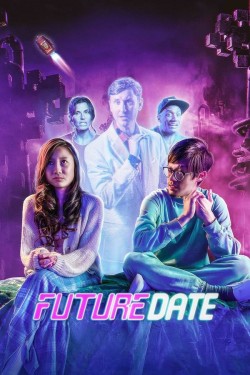
Future Date (2024) – Complete Review – Zvideo
In the not-so-distant future, technology and societal norms have evolved to the point where human interaction has become a rarity. In this future world, people rarely leave their single-occupancy apartments, existing in isolated, self-contained bubbles where digital interactions are the norm. Physical human connection, once the foundation of societal interaction, has all but disappeared. The world outside is a deserted wasteland, with places like the suburbs of Los Angeles now abandoned and forgotten.
The plot follows two lonely strangers, Shuang Hu and Stanley Wong, who receive an unexpected opportunity to break free from their monotonous existence. They are given a weekend together in a two-bedroom house, an odd but hopeful arrangement that seems like a bizarre reward for their long-standing isolation. The house is located in the abandoned suburbs of Los Angeles, a city once full of life, now silent and eerily empty.
As the two strangers are forced to spend an entire weekend together, they begin to connect in ways they could never have imagined. In a world where human connection is nearly impossible, this weekend becomes a transformative experience for both of them. The film cleverly intertwines elements of comedy, drama, romance, and science fiction as it explores themes of loneliness, human need for connection, and the impact of modern life on emotional well-being.
The Dystopian World of Future Date
The world portrayed in Future Date is a chilling reflection of our current trajectory. As technology continues to advance at an exponential rate, there is a growing concern that human beings are becoming increasingly disconnected from each other. The film imagines a future where this trend has reached its peak—people live alone in their own self-sufficient apartments, interacting only through screens and digital interfaces.
In this world, the concept of “the weekend” is a relic of the past. People rarely leave their apartments, let alone venture outside their isolated units. The city of Los Angeles, once a hub of activity and culture, is now an abandoned ghost town. The streets are overrun with overgrown weeds, and buildings that were once filled with bustling communities are now hollow shells of what they once were.
This dystopian society is brought to life through stark visuals and thoughtful world-building, which sets the stage for the human drama that unfolds. The emptiness of the world around them accentuates the loneliness of the characters, making their rare opportunity to interact feel even more significant.
Character Development: Shuang Hu and Stanley Wong
The film’s central focus is on the characters of Shuang Hu and Stanley Wong. Both of them have spent the majority of their lives alone, disconnected from others, and wary of human interaction. As their story unfolds, we witness the growth of their relationship, which is initially awkward and filled with hesitation but gradually transforms into something more meaningful.
Shuang Hu
Played by Shuang Hu, the character is introverted, introspective, and deeply affected by the isolation that has defined their life. As someone who has spent years living in their single-occupancy apartment, Shuang finds it difficult to break the boundaries that have been established by society. They are cautious, unsure of how to navigate the strange new world they find themselves in with Stanley.
Despite this initial hesitation, Shuang’s journey in Future Date is one of self-discovery. The weekend in the abandoned house becomes a catalyst for growth, as they begin to challenge the walls they’ve built around themselves. Their character arc is marked by small but significant moments of vulnerability, which make them a relatable and empathetic figure in the film.
Stanley Wong
Stanley Wong, portrayed by Stanley Wong, serves as a foil to Shuang. While both characters are socially isolated, Stanley is initially portrayed as more extroverted, attempting to engage with Shuang in a way that feels somewhat invasive. However, as the weekend progresses, Stanley’s own vulnerability is revealed. Beneath his apparent ease with social interaction lies a deep sense of loneliness and a yearning for connection.
Stanley’s growth throughout the film mirrors Shuang’s, as both characters slowly realize the importance of authentic human connection. Their chemistry, which starts off awkward and strained, slowly transforms into something more genuine and heartfelt as they spend time together in the abandoned Los Angeles suburbs.
Supporting Cast and Their Impact
While the central focus remains on Shuang and Stanley, the supporting cast also plays a crucial role in adding depth to the film. The small but impactful roles of Jason Caceres, Anthony Mario Gonzales, and Matthew Isaac Harris help enrich the story, providing glimpses of the larger world outside the two central characters.
These supporting characters serve as both a reflection of the main characters’ emotional journeys and as a reminder of the broader societal collapse that has occurred. Through brief but impactful interactions, they reinforce the themes of alienation and loss that permeate the film.
Themes: Human Connection in a Disconnected World
At its core, Future Date explores the theme of human connection in a world that has become increasingly isolated. The film’s setting—the abandoned Los Angeles suburbs—acts as a metaphor for the emotional desolation experienced by the characters. In a society where people no longer interact with one another, the weekend that Shuang and Stanley spend together becomes a rare and precious opportunity.
The film asks important questions about the role of technology in shaping our relationships. As society becomes more digitally connected, does it lead to greater emotional fulfillment, or does it exacerbate feelings of loneliness and detachment? Future Date invites viewers to reflect on these questions while providing a poignant and heartwarming narrative about the power of human connection.
Comedy and Drama: A Perfect Blend
Despite the heavy themes of loneliness and isolation, Future Date is not without humor. The film balances its dramatic moments with witty dialogue and light-hearted moments that provide relief from the otherwise bleak setting. The awkwardness between Shuang and Stanley, as they try to navigate the complexities of human interaction, often leads to comedic situations that feel both genuine and relatable.
The film’s comedic elements are not forced but instead emerge naturally from the characters’ personalities and their evolving relationship. These moments of humor serve to highlight the absurdity of the world in which the characters live, as well as the strange and unexpected joy that can arise from human interaction, no matter how fleeting it may be.
Romance: A Slow-Burning Love Story
As the weekend progresses, the bond between Shuang and Stanley deepens, moving from awkwardness to genuine affection. Their evolving relationship is tender and slow-burning, marked by small but significant moments of connection. The romance in Future Date is not of the conventional variety—there are no grand gestures or sweeping declarations of love. Instead, it’s a quiet, understated romance that emerges out of necessity and mutual understanding.
The chemistry between Shuang and Stanley feels real and grounded, a reflection of the struggles and joys of connecting with another person after years of isolation. Their relationship is a delicate dance of vulnerability, trust, and patience, providing the emotional heart of the film.
Cinematography and Visuals
Future Date is visually striking, with a cinematographic style that complements its dystopian themes. The abandoned Los Angeles suburbs are shot with a sense of desolation, using wide shots to emphasize the emptiness of the world around the characters. The use of natural light and muted color tones adds to the sense of melancholy that pervades the film.
The two-bedroom house where Shuang and Stanley spend their weekend is depicted as both a refuge and a prison. It is a place of emotional intimacy but also one that serves as a reminder of the isolation the characters face in the larger world.
Soundtrack and Score
The soundtrack of Future Date enhances the emotional impact of the film. The music, composed to evoke a sense of nostalgia and longing, underscores the quieter, more reflective moments. The score shifts between melancholic tones and hopeful melodies, mirroring the emotional arc of the characters.
Conclusion
Future Date is a thought-provoking and emotionally resonant film that combines comedy, drama, romance, and sci-fi in a unique and impactful way. It takes a sharp look at the implications of technology and societal changes on human relationships, while also celebrating the possibility of connection in the most unlikely of circumstances.
The performances of Shuang Hu and Stanley Wong are compelling, and the film’s exploration of loneliness, connection, and love offers a poignant message about the importance of human interaction. As society continues to evolve in unpredictable ways, Future Date serves as a reminder that, no matter how isolated we become, the desire for connection remains a fundamental part of the human experience.
Related Article

Mary Cassatt: Painting the Modern Woman 2023 – Complete Review – Zvideo
The Mollie Project 2025 – Complete Review – Zvideo

