
The Art of the Calendar (2024) – Complete Review – Zvideo
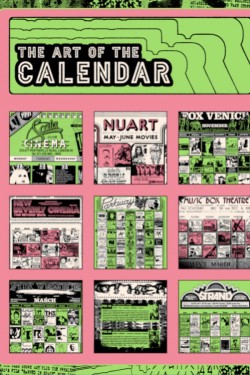
The Art of the Calendar (2024) is a compelling documentary directed by Kier-La Janisse, a filmmaker renowned for her deep explorations into the history and cultural significance of cinema. The documentary dives into the intricate world of advertisement and promotional strategies for small theaters, shedding light on the evolution of film calendars and their impact on independent cinema culture.
Produced by Severin Films, the movie features insights from notable figures such as Craig Baldwin and Mark Valen, offering a rich tapestry of anecdotes, historical analysis, and industry perspectives. Set for release on December 3, 2024, this film is a must-watch for cinephiles, historians, and anyone interested in the mechanics behind the survival of small, independent theaters.
The Significance of Film Calendars in Cinema History
A film calendar serves as a crucial promotional tool for small theaters, often functioning as a blend of marketing, art, and cultural preservation. It provides a detailed lineup of upcoming films, special screenings, and events, helping to generate buzz and attract audiences. Historically, these calendars have been instrumental in fostering cinephile communities, allowing local theaters to curate unique viewing experiences outside of mainstream Hollywood releases.
The Role of Calendars in Independent Theaters
Unlike multiplexes, which rely on blockbuster films and corporate-backed promotions, independent theaters depend on strategic marketing efforts. Film calendars serve several purposes:
- Audience Engagement: They create a sense of anticipation for upcoming screenings.
- Brand Identity: Well-designed calendars reflect the theater’s unique curation style.
- Community Building: These schedules help cultivate loyal moviegoers who appreciate independent and foreign films.
Kier-La Janisse’s documentary meticulously examines these aspects, demonstrating how film calendars have evolved from printed pamphlets to digital platforms in today’s streaming-dominated era.
The Documentary’s Narrative Approach
Janisse, known for her highly researched and visually immersive documentaries, adopts an engaging storytelling approach in The Art of the Calendar. By combining archival footage, expert interviews, and artistic montages, the film constructs a historical timeline of film calendar marketing, stretching from early 20th-century cinema houses to modern-day arthouse theaters.
Key Segments in the Documentary
- Origins of Film Calendars: Tracing back to the 1920s when silent film houses used hand-drawn posters and printed schedules to lure audiences.
- The Golden Age of Print Promotion: Analyzing how theaters in the 1960s-80s used intricate calendar designs to promote avant-garde and underground cinema.
- Digital Disruption: Exploring how online platforms and social media have reshaped the traditional model of advertising for small theaters.
- Case Studies of Iconic Theaters: Featuring legendary independent theaters and their marketing strategies.
- The Future of Small Cinemas: Discussing how theaters can survive in a world dominated by streaming giants like Netflix and Disney+.
Notable Cast and Expert Opinions
The documentary features contributions from Craig Baldwin, an experimental filmmaker known for his counterculture works, and Mark Valen, a cinema historian who provides crucial insights into the marketing dynamics of indie theaters. Their perspectives help anchor the film’s historical analysis, making it both educational and engaging.
Additional Interviewees
- Theater Owners: Independent cinema owners share firsthand experiences of struggling against corporate dominance.
- Graphic Designers: Creators of iconic film calendars discuss their artistic process.
- Film Critics: Scholars and critics provide analysis on the influence of advertising in the film industry.
Cinematic Style and Aesthetic Choices
Janisse’s signature style is evident in The Art of the Calendar. The film employs:
- Montages of archival theater advertisements.
- Hand-drawn animations to illustrate old marketing techniques.
- A rich, nostalgic color palette that mirrors the aesthetics of vintage film posters.
- Dynamic sound design, blending interviews with ambient sounds from bustling theater lobbies and projection rooms.
These stylistic choices immerse the viewer in the world of independent cinema, evoking a sense of nostalgia and appreciation for the craft of film promotion.
Where to Watch The Art of the Calendar
For those eager to watch this insightful documentary, here are the available options:
- Theatrical Release: Premiering in select independent theaters on December 3, 2024.
- Streaming Services: Likely to be available on niche streaming platforms focusing on documentaries and independent films.
- Severin Films Website: As the production company behind the film, Severin Films may offer direct purchases or rentals.
- Film Festivals: Expect screenings at major film festivals dedicated to cinema history and preservation.
Final Verdict – Why You Should Watch The Art of the Calendar
Pros: Deeply researched and informative. A nostalgic yet modern look at film marketing. Features industry experts and historical insights. Engaging visual and auditory storytelling.
Cons: Might appeal more to niche audiences (cinephiles, historians). Less focus on mainstream cinema marketing.
Final Rating: ⭐⭐⭐⭐⭐ (5/5)
Kier-La Janisse delivers a masterful documentary that celebrates the art of cinema promotion and the resilience of small theaters. If you love independent films or want to understand the marketing mechanics behind cinephile culture, The Art of the Calendar is an essential watch.
Conclusion
As the world shifts toward digital consumption, The Art of the Calendar serves as a tribute to the tangible and artistic side of cinema marketing. It highlights the importance of independent theaters in preserving film culture, making it an essential documentary for anyone passionate about cinema, history, and the power of print promotion. Whether you’re a film historian, an indie theater enthusiast, or just a curious viewer, this documentary offers a thought-provoking, visually stunning, and historically rich experience.
Related Article

Mary Cassatt: Painting the Modern Woman 2023 – Complete Review – Zvideo
The Mollie Project 2025 – Complete Review – Zvideo
