
Anuja (2024) – Complete Review – Zvideo
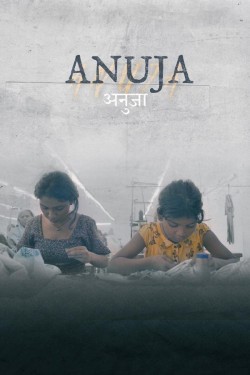
The 2024 film Anuja is a heart-wrenching drama that explores themes of choice, sacrifice, and the struggle for a better future. Released on August 17, 2024, this emotionally charged film brings to the forefront the struggles faced by children working in garment factories, their aspirations, and the tough decisions they must make for their families. The story centers around Anuja, a talented 9-year-old girl working in a garment factory in Delhi, India. When presented with a rare opportunity to attend school, Anuja is forced to make a choice that will change not only her future but also that of her younger sister, Palak. This review delves deep into the movie’s plot, performances, production details, and more.
Plot Overview
Anuja, a 9-year-old girl, lives in the bustling and overcrowded city of Delhi. Her life, like that of many children in poverty, is consumed by the grueling and monotonous work at a garment factory, a space where dreams are often deferred for survival. Anuja’s world revolves around sewing garments, often enduring harsh working conditions that take a toll on her health and happiness. She is remarkably gifted, showing potential not only in her work but in her intelligence, curiosity, and creativity.
The turning point in Anuja’s life comes when she is offered the chance to attend school – an opportunity that many children in her situation could only dream of. However, this moment of hope brings with it an impossible choice: should Anuja pursue an education and take a step towards a better future for herself, or should she stay back and continue to support her younger sister, Palak, who depends on her for survival? This dilemma creates the heart of the film as Anuja grapples with the weight of responsibility, family loyalty, and the pursuit of personal growth.
The film’s narrative is not just about Anuja’s personal conflict but also sheds light on the systemic issues that force children into labor, leaving them with limited choices. It poignantly shows the sacrifices that children often make for their families and the heartbreaking realities of growing up in poverty.
Themes and Social Commentary
Anuja is a rich tapestry of themes that invite viewers to reflect on societal norms, inequality, and the often grim realities faced by children in underprivileged communities. One of the major themes of the film is the power of education as a tool for social mobility. The film emphasizes how access to education can be a transformative force, offering individuals the chance to escape the cycle of poverty.
Another important theme is sacrifice. Anuja’s decision to choose between her own dreams and the needs of her sister is a representation of the sacrifices that children often have to make for the sake of family. This theme resonates deeply with anyone who has faced a moment where they had to choose between their personal desires and the needs of loved ones.
The movie also subtly critiques the garment industry, drawing attention to the exploitation of child labor. It paints a grim picture of the working conditions in such factories, where children like Anuja are forced into hard labor in order to support their families. This exploration of child labor is not just a commentary on a single industry but a wider societal issue that calls for systemic change.
Character Analysis
The character of Anuja is one of resilience, intelligence, and determination. Despite her young age, she exhibits an extraordinary maturity due to her life experiences. Anuja’s inner conflict is palpable, and the way she handles the emotional turmoil of her decision speaks to her strength. She embodies the struggles of many children in similar situations, torn between personal dreams and familial obligations.
Palak, Anuja’s younger sister, represents innocence and dependence. While Anuja feels the weight of responsibility on her shoulders, Palak’s need for her sister’s support highlights the emotional depth of the film. Their bond is one of love and sacrifice, and Palak’s presence in Anuja’s life becomes a key motivator for the decisions Anuja makes.
The supporting cast, which includes Gulshan Walia, Nagesh Bhonsle, and Sajda Pathan, also brings a level of emotional complexity to the film. Each character’s role is essential in building the world around Anuja, from the factory owners to fellow workers, and even the school officials offering Anuja the chance to learn. Their interactions with Anuja reveal the systemic forces that shape her life.
Performances
Ananya Shanbhag delivers a standout performance as Anuja. The emotional range she brings to the role is nothing short of extraordinary, capturing both the innocence of a child and the maturity of someone who has had to grow up far too soon. Her portrayal of Anuja is filled with nuance and authenticity, making her journey deeply relatable and moving.
Gulshan Walia, who plays a key supporting role, also gives a compelling performance. His portrayal of the factory owner is complex, as he is neither purely villainous nor sympathetic. His character serves as a reminder of the broader socio-economic forces at play.
Nagesh Bhonsle’s role as a sympathetic factory worker adds another layer of realism to the film. His character highlights the struggles of the adult workers who, like Anuja, are caught in a cycle of poverty but are unable to escape.
Sajda Pathan, as Anuja’s school teacher, brings a sense of hope to the film. She represents the possibility of change, a beacon of light in Anuja’s otherwise dark world.
Production and Direction
Anuja is produced by Shine Global, Graves Films, and Krushan Naik Films, all of whom have a history of producing socially conscious films. The production quality of the film is impressive, with careful attention to detail in portraying the environment of a garment factory in Delhi. The filmmakers successfully recreate the grim, oppressive atmosphere of the factory, while also contrasting it with the more hopeful, liberating world of education.
The direction of the film is handled by a director who clearly understands the power of subtle storytelling. The film does not rely on melodrama to convey its message. Instead, it uses quiet moments and genuine performances to evoke empathy. The pacing is deliberate, allowing viewers to sit with Anuja’s choices and understand the weight of her decision-making process.
The cinematography is another strong aspect of the film. The camera often lingers on Anuja’s face, capturing the quiet moments of internal struggle. This not only draws the audience into her emotional world but also highlights the harsh conditions she faces in her daily life. The contrast between the gritty factory scenes and the hopeful school scenes is visually striking, reinforcing the themes of choice and escape.
Music and Soundtrack
The music of Anuja is composed to complement the emotional tone of the film. The soundtrack is subtle yet powerful, with a mix of Indian classical and contemporary sounds that underscore the film’s dramatic moments. The music adds to the emotional resonance of Anuja’s journey, providing an additional layer of connection for the audience.
The sound design also plays a key role in immersing the viewer in the environment of the garment factory. The constant noise of sewing machines and the clamor of the factory floor are ever-present, creating a sensory experience that mirrors Anuja’s own life.
Critical Reception
Since its release, Anuja has garnered significant critical acclaim. The film has been praised for its emotional depth, powerful performances, and the way it tackles serious social issues without being heavy-handed. Critics have highlighted the nuanced portrayal of Anuja’s internal conflict and the way the film sheds light on child labor in a way that is both accessible and deeply moving.
The film has also sparked important conversations about the exploitation of child workers and the role of education in breaking the cycle of poverty. Audiences have been particularly moved by Anuja’s journey, with many praising the film for its ability to inspire hope and compassion.
Where to Watch Anuja
Anuja is available to watch online for free on various streaming platforms. If you are wondering, “Where can I watch Anuja online?” it can be found on platforms that support free streaming, allowing a global audience to experience this impactful film. Make sure to check out the movie on popular streaming sites, where you can also read more about its themes, watch trailers, and engage in discussions about the film.
Conclusion
Anuja is a poignant and thought-provoking film that offers a window into the lives of children working in garment factories, highlighting the choices they face and the sacrifices they make. With a stellar performance from Ananya Shanbhag and a deeply emotional narrative, this film shines a light on the importance of education, the realities of child labor, and the power of family bonds. The film’s sensitive direction, gripping performances, and social commentary make it an essential watch for anyone interested in understanding the complexities of poverty, education, and human resilience.
The movie not only entertains but also educates, inspiring viewers to reflect on the societal structures that continue to perpetuate inequality. Anuja is a must-watch for those who seek films that are both emotionally impactful and socially relevant.
Related Article

Angel of Beggars 2025 – Complete Review – Zvideo

Fragile Heart 2022 – Complete Review – Zvideo
