
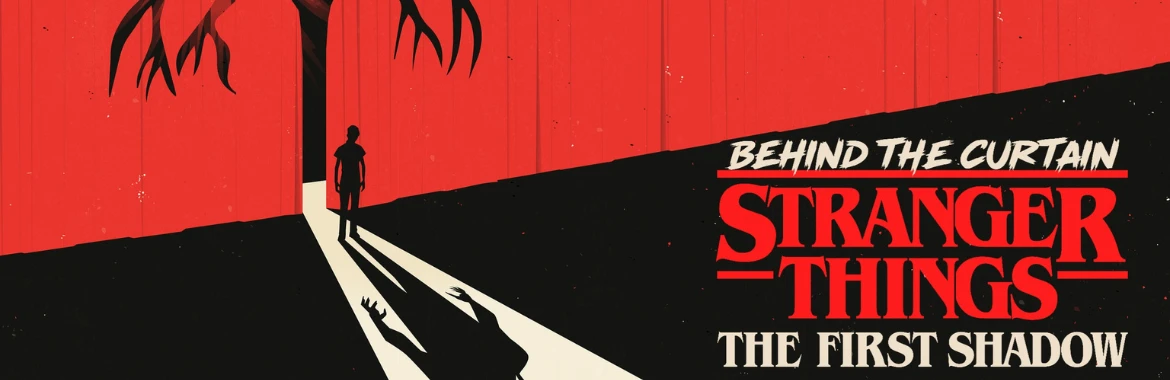
Behind the Curtain: Stranger Things: The First Shadow (UA-13+) – Complete Review – Zvideo
Stranger Things has become more than just a hit Netflix series—it’s a cultural phenomenon that has captivated global audiences with its unique blend of 1980s nostalgia, supernatural horror, and heartfelt storytelling. Building on this legacy, “Stranger Things: The First Shadow”, a stage play set within the same universe, expands the lore and enriches the mythos of Hawkins, Indiana. Premiering in London’s West End in 2023 and rated UA-13+, the play serves as a prequel to the series, delving into the lives of familiar characters before the events of Season 1.
This article takes you behind the curtain of this innovative theatrical production, offering a comprehensive look at the story, characters, creative process, stagecraft, critical reception, and its impact on the wider Stranger Things universe.
The Concept: Breathing New Life into the Upside Down
“The First Shadow” is set in 1959, long before Eleven, the Mind Flayer, or the Demogorgon entered the spotlight. Instead of picking up where the show left off, the play rewinds the clock, revealing the formative events and dark origins that would one day shape the town’s destiny. This prequel format allows fans to explore Hawkins in its earlier days, uncovering secrets and establishing a new emotional resonance.
The central narrative revolves around a young Henry Creel—later known as Vecna—and the chilling sequence of events that slowly unravel his humanity. By choosing to center the play around his backstory, the Duffer Brothers and the creative team provide a rich and disturbing origin story for one of the series’ most terrifying villains.
Plot Overview: A Haunting Past
Set in Hawkins, Indiana, 1959, the town seems quiet and typical, filled with innocence, summer fun, and teenage worries. But under its surface lurks a growing darkness. Henry Creel, a troubled and introverted boy, struggles to adjust after moving to Hawkins with his family. As he tries to fit in, bizarre events start to unfold, eventually culminating in a descent into terror that prefigures the horrors of the Upside Down.
Simultaneously, we witness the early lives of characters who will later become key figures in the Stranger Things saga. We meet a young Jim Hopper, an earnest teenager with a strong sense of justice, and Joyce Maldonado (later Byers), full of warmth, wit, and stubborn resolve. Bob Newby, the lovable nerd from Season 2 of the series, appears as a brainy but socially awkward teen.
The play weaves these character arcs together with supernatural elements that slowly creep into their world. Henry’s powers manifest subtly at first but grow in intensity, revealing his psychokinetic abilities and an eerie connection to a darker dimension.
Character Deep Dive
Henry Creel / Vecna
The centerpiece of the play, Henry begins as a misunderstood teenager but evolves into a tragic villain. The play carefully tracks his psychological descent, showing how isolation, fear, and latent power contribute to his transformation. His relationship with his family—especially his tense dynamic with his father—mirrors the emotional fractures explored in the Netflix series.
Henry’s descent is portrayed not merely as a result of inherent evil, but a consequence of circumstance, pain, and manipulation. This nuanced portrayal invites empathy, or at least understanding, of how Vecna came to be.
Joyce Maldonado
Portrayed as intelligent, spirited, and loyal, young Joyce is already displaying the traits that would define her as an adult. Her sharp instincts and compassion are central to the play’s emotional grounding. Joyce’s early life also highlights the challenges of growing up in a small town with limited opportunities and societal expectations.
Jim Hopper
A stark contrast to the grizzled sheriff fans know, teenage Hopper is full of energy and curiosity. His character arc in the play foreshadows the trauma and loss he will later endure. His integrity and sense of duty, even as a high school student, make him a compelling young protagonist.
Bob Newby
The play adds new layers to Bob’s character. More than just a quirky tech geek, young Bob is vulnerable and hopeful, serving as comic relief and emotional ballast. His innocence contrasts with the growing darkness that threatens Hawkins.
Thematic Underpinnings
The Burden of Power
Henry Creel’s storyline explores the psychological toll of unexplained power. Much like Eleven, he struggles with identity and control. But while Eleven is nurtured, Henry is alienated, providing a parallel trajectory that leads to his corruption.
Coming of Age in a Dark World
Set against a 1950s backdrop, the play mirrors classic coming-of-age tales—first loves, school dances, parental expectations—but all of it is laced with an increasing sense of dread. This contrast heightens the emotional stakes, making the story feel both nostalgic and menacing.
Nature vs. Nurture
The play invites audiences to consider whether Henry’s eventual transformation into Vecna was inevitable or shaped by his environment. The ambiguity fuels philosophical debate and adds emotional complexity to his character.
The Fragility of Normalcy
Hawkins is portrayed as a town clinging to normalcy, where everyone plays their roles. The intrusion of supernatural elements cracks this façade, exposing the fragile underbelly of the American dream.
Production and Stagecraft: Theater Meets the Supernatural
Visual Effects and Illusion
“The First Shadow” sets a new benchmark in theatrical spectacle. Directed by Stephen Daldry, known for his mastery of emotionally driven storytelling, and co-directed by Justin Martin, the production employs state-of-the-art effects to bring the Upside Down to life. From shifting scenery to jaw-dropping illusions, the stage becomes a portal between worlds.
The use of projection mapping, trap doors, and hydraulics allows for seamless transitions between reality and hallucination. The terrifying manifestations of Henry’s powers—levitating objects, collapsing walls, spectral images—are executed with precision and flair.
Sound Design and Music
Sound is critical to building suspense. The sound design by Paul Arditti incorporates unsettling ambient noise, whispers, echoes, and dissonant tones that mimic the series’ iconic audio profile. Complemented by original music from Angélica Quintero and Michael Rianda, the score melds 1950s motifs with eerie synth undertones.
Set and Costume Design
The production design blends period accuracy with visual symbolism. The sunny optimism of 1950s Americana is starkly contrasted by the dark, sinewy presence of the Upside Down. Costumes reflect the characters’ personalities—Henry’s modest and constrictive clothing subtly hinting at his internal repression.
Writing and Creative Team
“The First Shadow” was written by Kate Trefry, a veteran of the Stranger Things writers’ room, ensuring tonal and narrative continuity. The Duffer Brothers were closely involved as creative producers, along with Jack Thorne, known for Harry Potter and the Cursed Child.
Trefry’s script is poetic, eerie, and poignant, capturing the adolescent voices of the characters while embedding the grand cosmic horror that defines the Stranger Things brand. The dialogue alternates between charming banter and existential dread, creating a dynamic rhythm that keeps audiences engaged.
Audience Reception and Critical Acclaim
Since its premiere, the play has received widespread acclaim for its ambition, execution, and emotional impact.
Critical Praise
Critics praised the production’s visual innovation and emotional depth. The performances—especially the actor portraying young Henry—were singled out for their intensity and nuance. The play was lauded for achieving the impossible: turning a beloved sci-fi series into an emotionally resonant piece of live theater without losing its edge.
Audience Reactions
Fans appreciated the backstory’s richness and how it deepens their understanding of the series. The suspense, horror, and nostalgia translated beautifully to the stage. Young viewers were especially drawn to the high school dynamics and supernatural intrigue, while older audience members resonated with the thematic depth and period accuracy.
The UA-13+ Rating
The UA-13+ rating suggests that children under 13 should be accompanied by an adult, primarily due to themes of psychological horror and intense sequences. While there is no graphic violence, the play deals with complex and sometimes disturbing content—mental illness, family dysfunction, supernatural terror—which may be overwhelming for very young viewers.
The rating strikes a balance, making the show accessible to teens while respecting the integrity of the dark subject matter. It reinforces the idea that Stranger Things is as much about emotional truth as it is about monsters.
Expanding the Stranger Things Universe
“The First Shadow” is more than a prequel—it’s a cornerstone in a growing transmedia narrative. By expanding the Stranger Things mythos beyond the screen, it encourages fans to engage with the story in a new medium.
Bridging Generations
The play connects three generations of Hawkins residents—those who remember the 1950s, those who grew up in the 1980s, and today’s youth. It serves as a narrative and emotional bridge, showing how past trauma shapes future events and characters.
Potential for More
Given the play’s success, fans speculate that similar productions could emerge: maybe a stage play about Eleven’s life before Hawkins Lab, or a future-set piece exploring the aftermath of Season 5. The format offers creative freedom while maintaining fidelity to the universe.
Conclusion
“Stranger Things: The First Shadow” is a bold, moving, and visually groundbreaking addition to the Stranger Things canon. It doesn’t merely serve as a nostalgic homage or cash-in spin-off—it’s a full-bodied story with emotional weight, narrative purpose, and theatrical artistry.
By going behind the curtain, audiences gain insight into the emotional origins of a villain, the innocence of familiar heroes, and the tragic fall that preludes the rise of darkness in Hawkins. The play manages to be both intimate and epic, terrifying and touching. It’s a testament to the power of storytelling across mediums—and a shining example of how beloved universes can evolve, surprise, and resonate in new ways.
Related Article

Bono: Stories of Surrender (A) – Complete Review – Zvideo

Fight or Flight – Complete Review – Zvideo
