
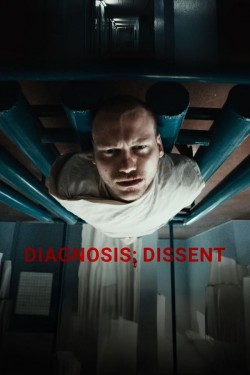
Diagnosis: Dissent (2024) – Complete Review – Zvideo
Released on October 31, 2024, Diagnosis: Dissent is a gripping historical drama from Ukraine that explores one of the darkest periods of Soviet-era oppression. Through the life of its protagonist, Andrii Dovzhenko, the film unveils a horrifying and deeply moving story about the abuse of psychiatric institutions as a tool of political control. The movie draws heavily from the real experiences of Soviet dissidents who were subjected to brutal psychiatric treatment for their resistance to the regime, thus exploring the intersections of mental health, politics, and the human spirit.
In this complete review, we’ll delve into the film’s plot, themes, performances, cinematography, and its relevance to the history of Soviet repression. We’ll also explore the larger historical context of punitive psychiatry and the incredible courage of individuals who risked everything to challenge the system.
The Plot: A Harrowing Discovery
Diagnosis: Dissent begins with Andrii Dovzhenko, a man who unwittingly stumbles upon a devastating truth about the Soviet system. His life takes a shocking turn when he learns that most of the individuals accused of “anti-Soviet propaganda” were not sent to traditional prisons. Instead, they were committed to special psychiatric hospitals under the diagnosis of “slow progressive schizophrenia.”
This chilling revelation sends Andrii spiraling into a nightmarish reality of state-enforced psychiatric repression, often referred to as punitive psychiatry. Instead of physical confinement, dissidents—those who dared to criticize or challenge the regime—were subjected to psychotropic drugs, electroshock therapy, and other forms of psychiatric torture that were intended to break their will, erase their identity, and ultimately force their compliance with the state’s ideology.
As Andrii finds himself trapped within this oppressive system, he must navigate the terrifying waters of psychological torment while making a gut-wrenching decision: should he cooperate with the KGB to return to his family and safety, or should he expose the terrible truth about the horrors occurring in these psychiatric hospitals, risking his own life in the process?
Historical Context: The Dark Era of Punitive Psychiatry
To truly understand the gravity of Diagnosis: Dissent, one must consider the historical context of the Soviet Union’s use of punitive psychiatry. In the 1960s and 1970s, the Soviet regime expanded its use of psychiatric institutions as a tool of political repression. This form of abuse, known as punitive psychiatry, was not about treating actual mental health conditions but about using psychiatry as a means of silencing dissent.
Soviet authorities began diagnosing dissidents—writers, intellectuals, activists, and anyone expressing criticism of the state—with various mental illnesses, such as schizophrenia or paranoia, to discredit their political views. Once committed to psychiatric institutions, these individuals were subjected to horrific treatments, including forced drugging, electroshock therapy, and even lobotomies, all in an attempt to “cure” their anti-Soviet beliefs.
This practice continued for decades, with the Soviet state’s grip tightening on any form of free thought or expression. Dissidents, already silenced by the physical walls of prison, now found themselves ensnared by the invisible walls of psychiatric abuse, their lives and minds subjected to the whims of a totalitarian regime.
Andrii Dovzhenko: The Protagonist’s Journey
Andrii Dovzhenko, the film’s central character, serves as both a personal and universal figure representing the oppressed individuals of the Soviet era. Played by Sergey Kalantay, Andrii is portrayed as a man of ordinary means and convictions, who never expected to find himself involved in such a treacherous system. His journey begins with shock, then spirals into despair, and ultimately reaches a point where he is forced to make a decision that will define his life and the lives of others.
In the film, Andrii’s internal conflict is at the heart of the narrative. He finds himself trapped in a moral quandary: the safety of his family and the chance to escape this nightmare tempt him to cooperate with the KGB. On the other hand, he knows that exposing the truth about the horrific treatment of dissidents in psychiatric institutions could change the course of history, but it comes with a steep personal cost.
Andrii’s moral struggle is portrayed with tremendous depth and sensitivity, as he must grapple with questions of loyalty, fear, and conscience. The film captures his emotional journey as he moves from an initial state of confusion to a profound realization about the human cost of political tyranny.
Themes of Resistance and Repression
At its core, Diagnosis: Dissent is a film about resistance and repression. The psychological terror faced by Andrii—and by extension, the other individuals trapped in Soviet psychiatric hospitals—serves as a powerful metaphor for the broader experience of oppression under a totalitarian regime.
The film raises critical questions about the nature of dissent and the cost of standing up against a system that punishes free thought. As Andrii navigates his harrowing circumstances, the audience is forced to confront difficult truths about the consequences of living in a society where independent thinking is considered a crime.
The theme of sacrifice is also central to the film. Andrii’s dilemma—whether to protect his own safety or expose the suffering of others—echoes the sacrifices made by countless individuals who chose to stand up for justice, often at the expense of their own well-being. The film poignantly portrays the high price of resistance and the courage it takes to speak out against an unjust system.
Cinematography and Direction
The direction and cinematography of Diagnosis: Dissent are integral to its emotional impact. Directed by Oles Katsion, the film utilizes a muted color palette and stark, minimalistic set designs to reflect the bleak and oppressive atmosphere of the Soviet regime. The use of dim lighting and claustrophobic framing heightens the sense of entrapment that Andrii feels within the psychiatric institution.
The film’s pacing is deliberately slow, reflecting the psychological torment of its characters. There are moments of tension that are drawn out, allowing the audience to fully absorb the emotional weight of Andrii’s internal struggle. The soundtrack, which consists of somber, haunting melodies, complements the film’s dark tone, adding an additional layer of emotional resonance.
Anastasiia Pustovit delivers a standout performance as Andrii’s wife, whose emotional distress over her husband’s potential fate adds further emotional depth to the narrative. Viktor Zhdanov and Kostiantyn Temliak also provide powerful supporting performances as fellow dissidents, each portraying the quiet desperation and resilience of those who suffered in Soviet psychiatric hospitals.
The Importance of Exposing Hidden Truths
While Diagnosis: Dissent is a deeply personal story about one man’s struggle, it is also a broader commentary on the importance of confronting and exposing hidden truths. The film highlights the horrors that were once concealed within the walls of Soviet psychiatric hospitals and reminds us of the power of narrative in bringing justice to light.
Based on the memoirs of Soviet dissidents who lived through the brutality of this era, Diagnosis: Dissent is a tribute to those who suffered and fought to expose the system. The film serves as both a historical document and a poignant reminder that the fight for freedom of thought and expression is ongoing, as repressive regimes continue to exist around the world.
Cultural and Political Relevance
While set in the past, Diagnosis: Dissent has significant cultural and political relevance today. The tactics employed by the Soviet regime to stifle dissent are eerily reminiscent of the ways in which modern totalitarian systems seek to control free thought. The film serves as a reminder that the fight for human rights is far from over and that societies must remain vigilant in the face of government overreach.
Ukraine, as a country with its own complex history of Soviet oppression, is an especially poignant backdrop for this story. The themes of resistance, truth, and the individual’s struggle against a powerful state resonate deeply within Ukraine’s national consciousness.
Conclusion
In conclusion, Diagnosis: Dissent (2024) is a haunting and powerful film that explores the intersection of mental health, politics, and resistance within the context of Soviet oppression. The film’s exploration of punitive psychiatry as a form of state-sponsored cruelty is both shocking and enlightening, shedding light on one of the darkest aspects of Soviet history.
Through the character of Andrii Dovzhenko, the film offers a gripping portrayal of the internal struggle faced by individuals who dared to resist an all-powerful regime. It is a poignant reminder of the human cost of totalitarianism and a tribute to those who fought against it, no matter the price.
Related Article

Angel of Beggars 2025 – Complete Review – Zvideo

Fragile Heart 2022 – Complete Review – Zvideo