
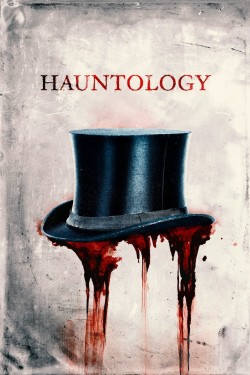
Hauntology (2024) – Complete Review – Zvideo
The concept of Hauntology, originally coined by French philosopher Jacques Derrida, has evolved from an abstract philosophical idea to a dynamic theme explored in various forms of art, particularly within the realm of cinema. In 2024, the horror genre embraced this enigmatic notion with the release of Hauntology, a psychological horror film produced by Rainbow Swan, LLC. The movie brings the themes of nostalgia, memories, and spectral presence into sharp focus, challenging the way we perceive our past while driving forward an eerie narrative. This article is a complete review of Hauntology, breaking down its plot, characters, production, and thematic depth.
Plot Overview
The film follows the chilling road trip of two siblings—an older sister and her fearless younger brother, who has run away from home. Seeking to escape his past and the trauma attached to it, the young boy finds himself in the company of his sister, who, though more grounded, has her own dark secrets tied to their hometown. As they journey through various desolate roads and forgotten towns, the older sister shares terrifying stories, each one more unsettling than the last. The tales, however, aren’t just stories—they are reflections of the lingering supernatural energy that binds their family and past.
The siblings’ bond is tested as the stories unfold, revealing a deep, psychological connection between the chilling tales and the ghosts of their personal histories. These haunting narratives manifest in strange, eerie occurrences that blur the line between reality and the supernatural. The chilling tension between the siblings intensifies as they are forced to confront not only the terrifying stories of their hometown but also the darker truths about themselves.
The Hauntological Theme in Cinema
At its core, Hauntology as a genre is concerned with the specters of the past—whether literal, as in ghosts and supernatural forces, or metaphorical, as in unresolved traumas and histories that refuse to stay buried. Derrida’s original use of the term referred to the way the presence of the past continues to haunt the present, shaping our identities and our perception of reality. In film, this concept often manifests as a recurring motif of ghosts, memories, time loops, and dissonant nostalgia, all of which are present in this film.
Hauntology (2024) takes this idea and translates it into a modern horror setting, exploring the intersection of personal trauma with supernatural horror. The film juxtaposes the eerie, ghostly presence of the past with the tangible, real-life fears the characters face, ultimately asking the question: can you ever truly escape your past?
The Characters and Their Development
Zoey Luna as the Older Sister
Zoey Luna plays the role of the older sister, a character who is not only tasked with guiding her runaway sibling but also has her own emotional baggage to contend with. As a protective and cautious figure, she tries to act as the anchor to her brother’s reckless abandonment of their past. However, her outward composure begins to unravel as the chilling tales she tells seem to have a direct connection to her own unresolved fears.
Zoey’s performance is nuanced, navigating between the protective sibling and a woman haunted by her own choices. Her character’s evolution from a storyteller to someone who must face the consequences of her past adds a deeply psychological layer to the film.
Gil Zabarsky as the Fearless Runaway Sibling
Gil Zabarsky’s portrayal of the runaway sibling adds another layer of complexity to the film. His character is a rebellious figure who initially appears fearless, running from his troubled past without realizing that he’s still running from himself. As the film progresses, the emotional and psychological toll of the road trip begins to weigh on him, pushing him to confront the darkness that has shaped his life.
Zabarsky brings depth to the character with a performance that shifts from youthful defiance to vulnerability, allowing the audience to see the cracks in his bravado. His interactions with his sister, filled with tension and emotional turmoil, offer some of the film’s most poignant moments.
Lindsey McDowell, James DeForest Parker, and Annie Fitzpatrick
Supporting characters, such as those played by Lindsey McDowell, James DeForest Parker, and Annie Fitzpatrick, contribute significantly to the atmosphere of the film. Their roles, while smaller, help amplify the sense of isolation and eeriness that permeates the journey. Whether it’s an unsettling encounter with a stranger in a small town or an unexpected revelation about the family’s past, each of these characters contributes to the unsettling narrative fabric that defines the movie’s thematic core.
Cinematography and Visual Style
One of the most striking aspects of Hauntology is its cinematography. The film’s visual style is crucial to creating the tense, ominous atmosphere that permeates throughout. Director of Photography John H. Carter employs a muted color palette, filled with shadows and dim lighting, to emphasize the sense of foreboding that the siblings face. The use of fog, old, decaying buildings, and desolate landscapes creates a dream-like but sinister environment, pushing the boundary between the characters’ physical journey and their internal emotional turmoil.
The wide shots of barren highways and isolated towns perfectly reflect the idea of haunting as a sense of being lost and trapped between past and present. The subtle use of mirrors, windows, and reflections in the film adds to the thematic undercurrent of perception versus reality, reinforcing the idea that the characters’ pasts are always lurking, just beyond the surface.
Sound Design and Music
The sound design in Hauntology is another critical element in establishing the atmosphere. The score, composed by Aaron Larson, blends minimalistic strings with haunting choral elements, creating a sense of impending doom. The music often swells at moments of emotional revelation, amplifying the tension and creating an immersive auditory experience that complements the visual horror.
The sound effects, particularly those that relate to supernatural occurrences, are subtle yet unnerving. The faint sounds of whispers, doors creaking, and wind howling through abandoned buildings heighten the unsettling mood, drawing the audience into the story’s eerie world.
Symbolism and Themes
Hauntology is rich in symbolism, using its horror framework to explore deeper philosophical themes. Some of the most notable thematic elements include:
The Ghosts of the Past
The central theme of Hauntology revolves around the ghosts of the past—both literal and metaphorical. The film’s title suggests that the characters are haunted not just by the spirits of the deceased, but by memories, regrets, and unresolved issues from their past. The past is never truly gone, and its shadows shape the decisions the siblings make as they venture deeper into unknown territory.
Memory and Trauma
Memory plays a pivotal role in the film, with the older sister’s chilling stories becoming more than just folklore—they are deeply connected to the trauma both siblings have experienced. The stories are not only ways of coping but also ways of processing the trauma they’ve endured, whether consciously or unconsciously.
Escape and Confrontation
The runaway sibling’s journey is initially one of escape. However, as the stories unfold, it becomes clear that escape is impossible; the past is something that must be confronted. This duality of escape and confrontation reflects the broader human experience of trying to run away from one’s history while being tethered to it in unavoidable ways.
The Horror Elements
While Hauntology is primarily a psychological horror film, it incorporates traditional supernatural elements to great effect. The haunting tales shared by the older sister are not simply fictional; they manifest in the physical world in increasingly unsettling ways. Strange occurrences—like unexplained sounds, figures in the distance, and fleeting glimpses of apparitions—add to the growing sense of dread.
The supernatural horror in Hauntology is grounded in emotional and psychological realism, which makes it all the more terrifying. The true horror of the film doesn’t come from jump scares but from the slow, creeping realization that the characters are trapped in a cycle of haunting memories and unresolved guilt.
Reception and Critique
Upon its release, Hauntology received mixed to positive reviews from critics. While some praised its psychological depth and unique take on the horror genre, others felt the pacing was slow, particularly in the first half of the film. However, many agreed that the film’s exploration of memory, trauma, and the supernatural set it apart from traditional horror movies.
The performances, particularly those of Zoey Luna and Gil Zabarsky, were widely praised for their emotional depth and complexity. Critics also highlighted the film’s ability to maintain a consistent sense of tension and dread, even when little is happening on screen.
Where to Watch Hauntology
For those interested in watching Hauntology, the film is available for streaming on various platforms. You can watch it online for free, depending on your region, or find it on popular streaming services. However, keep in mind that availability may vary based on licensing agreements and regional restrictions. Searching for “Hauntology movie free online” or “Watch Hauntology Online Free” on streaming platforms should direct you to where it is available for viewing.
Conclusion
Hauntology (2024) stands as a remarkable example of modern horror cinema, blending supernatural elements with deep psychological and philosophical themes. Through its haunting atmosphere, compelling performances, and exploration of memory and trauma, the film invites the audience into a world where the past never truly leaves. It’s a story that challenges the notion of escape, showing that we can’t outrun our ghosts—whether they are real or simply figments of our psyche.
Related Article

Bono: Stories of Surrender (A) – Complete Review – Zvideo
Fight or Flight – Complete Review – Zvideo
