
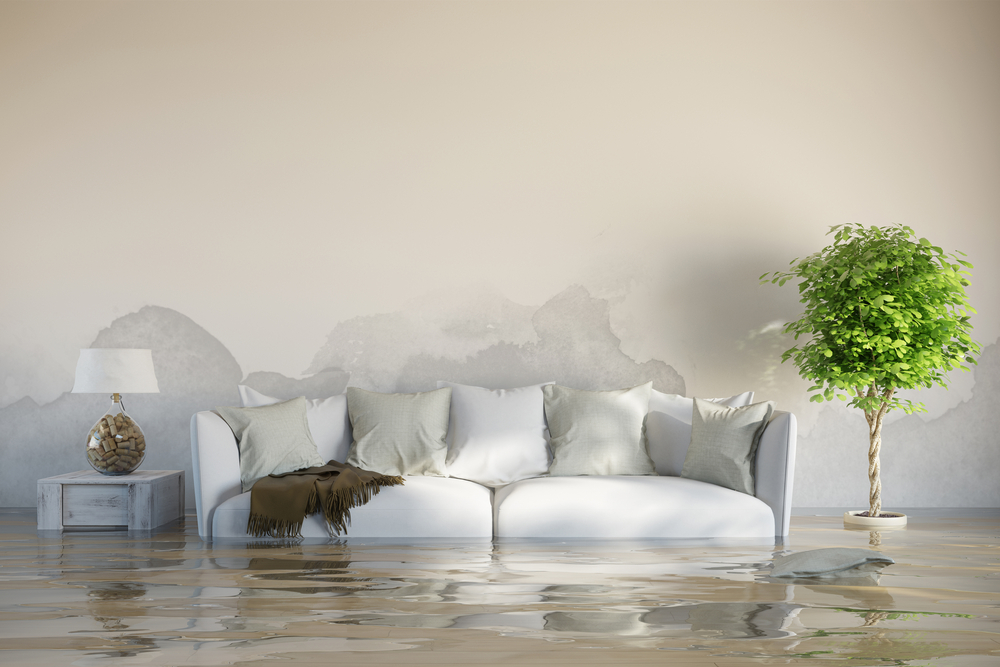
Home Restoration: Reviving Your Home After Damage
Home restoration is the process of repairing, cleaning, and refurbishing a residential property that has experienced damage. Whether due to natural disasters like floods, fires, or storms, or from more gradual issues like wear and tear, home restoration services are essential for restoring your home to a safe, comfortable, and functional condition.
In this article, we’ll delve into what home restoration entails, the importance of professional restoration services, and how you can go about restoring your home after it has suffered damage.
Home restoration refers to the repair and recovery of a house or residential property that has sustained damage. The restoration process can involve structural repairs, cosmetic work, mold and water damage mitigation, and ensuring that the property is livable and safe once more. Whether the damage is caused by water, fire, storm, or long-term wear, home restoration services aim to return your property to its previous state or even improve it.
Home restoration includes a variety of tasks, from repairing a flooded basement to rebuilding fire-damaged walls, ensuring that everything works properly and the house is visually appealing. A professional restoration company brings expertise, specialized equipment, and efficient processes to the table, which ensures that repairs are done correctly, promptly, and safely.
Types of Home Restoration
There are different types of home restoration services depending on the cause of the damage. Here are some of the most common types of home restoration:
1. Water Damage Restoration
Water damage can be caused by floods, leaky pipes, roof leaks, or plumbing issues. Restoration of water damage focuses on removing excess water, drying the affected areas, and preventing further damage like mold growth.
Key Services:
- Water extraction and removal.
- Drying out walls, carpets, and flooring.
- Mold prevention and remediation.
- Structural repairs if the water damage has compromised walls, floors, or foundations.
2. Fire Damage Restoration
Fires can cause both direct and indirect damage, including smoke, soot, and water used to extinguish the flames. Fire damage restoration focuses on repairing structural and cosmetic damage and cleaning up smoke damage, odors, and soot.
Key Services:
- Soot and smoke removal.
- Structural repairs to fire-damaged areas.
- Deodorization of the home to eliminate smoke smells.
- Water extraction and drying from firefighting efforts.
3. Storm Damage Restoration
Severe weather events like hurricanes, tornadoes, or strong storms can leave your home with significant damage. Restoration companies will secure the property, repair structural damage, and prevent further deterioration from water or wind exposure.
Key Services:
- Roof repair or replacement.
- Window and door replacement.
- Structural integrity assessments.
- Waterproofing and mold prevention.
4. Mold Remediation
Mold growth is a common problem in homes with water damage, poor ventilation, or excess moisture. Mold remediation involves the removal of mold and mildew from the property, along with treating the affected areas to prevent future growth.
Key Services:
- Mold inspection and identification.
- Mold removal and treatment.
- Structural repairs to prevent future mold growth.
- Air purification and dehumidification.
5. General Home Renovation and Restoration
Sometimes, restoration may involve a general renovation to improve or modernize the home, especially if the home has aged or was built with outdated materials. This could include everything from kitchen or bathroom remodeling to upgrading electrical systems.
Key Services:
- Kitchen and bathroom remodeling.
- Flooring replacement and refinishing.
- Wall and ceiling repairs.
- Upgrading outdated plumbing and electrical systems.
Why Is Home Restoration Important?
Home restoration is not only essential for returning your property to its original state, but it also offers a host of other benefits. Below are some of the primary reasons why home restoration is important:
1. Prevention of Further Damage
When damage occurs to your home, time is of the essence. If the restoration process is delayed, the damage could worsen. Water can seep deeper into the structure, leading to mold growth, rotting wood, or rusting metal. Fire-damaged areas could become structurally unstable if left untreated. Timely restoration prevents further deterioration, ensuring your home remains safe and secure.
2. Health and Safety Concerns
Restoring your home after damage is essential for health and safety. Mold, for example, can cause respiratory issues, allergies, and other health problems. Standing water can lead to bacterial growth, which poses serious health risks. A professional restoration service ensures that these health hazards are removed and that the home is safe to live in.
3. Preservation of Property Value
A well-restored home retains its value. Without proper restoration, your home may suffer long-term damage that could decrease its market value. Whether you plan to sell your home or just want to protect your investment, restoring the property to its pre-damage condition is crucial for preserving its worth.
4. Improved Comfort and Functionality
After a disaster or damage to your home, restoration services can improve the comfort and functionality of your living space. Whether it’s through updated appliances, modernized rooms, or enhanced safety features, the restoration process often provides opportunities to enhance your home’s functionality and aesthetics.
5. Insurance and Legal Compliance
Many insurance policies cover damage caused by floods, fires, and storms, but it’s important to restore the home to meet the standards of your insurer. Professional restoration companies often work with insurance providers, ensuring that the repairs meet necessary codes and regulations, helping to streamline the insurance claims process.
The Home Restoration Process
Home restoration typically involves several stages, each of which focuses on different aspects of repair, cleaning, and rebuilding. Here’s a general overview of the process:
1. Initial Inspection and Assessment
The first step in the home restoration process is to evaluate the damage. A professional restoration company will perform a thorough inspection to assess the severity of the damage and develop a comprehensive plan for restoration. This includes identifying areas of the home that need immediate attention and those that can be addressed later.
2. Securing the Property
Before restoration begins, it’s important to secure the property to prevent further damage. This may involve boarding up windows, covering exposed roofing areas, and ensuring that there are no immediate hazards to the home’s structure or its occupants. This is particularly crucial for storm-damaged homes or properties with exposed electrical systems.
3. Water Extraction and Drying
If water damage is a concern, the restoration company will begin by extracting excess water using specialized equipment like pumps, vacuums, and dehumidifiers. Drying is essential to prevent mold growth and structural damage. They will also monitor moisture levels to ensure that the property is thoroughly dried.
4. Structural Repairs
Once the property has been dried, the next step is to address structural damage. This includes repairing or replacing damaged walls, floors, ceilings, and roofing. For severe damage, this might involve replacing entire sections of the home’s structure. The goal is to restore the building’s integrity so that it is safe for habitation.
5. Cleaning and Sanitizing
Restoration also involves cleaning and sanitizing surfaces affected by water, smoke, or soot. This includes washing walls, floors, and ceilings, removing soot and smoke from furniture, and treating any surfaces that have been contaminated by mold or bacteria. Cleaning ensures that your home is not only restored to its physical condition but also safe and healthy to live in.
6. Restoration of Aesthetic Features
In many cases, home restoration includes cosmetic repairs, such as repainting, restoring woodwork, or replacing flooring. If the property was damaged by a fire or storm, the restoration process may also involve restoring the aesthetic elements of the home, such as windows, doors, and fixtures, to their original condition.
7. Final Inspection and Completion
Once all repairs are completed, the final inspection will ensure that all aspects of the restoration have been done correctly. This includes checking that all structural elements are secure, plumbing and electrical systems are working properly, and any cosmetic work is completed. Once everything meets standards, the home is ready for occupancy.
How to Choose the Right Home Restoration Service
Choosing the right home restoration service is crucial to ensuring a quality, efficient, and safe restoration. Here are some factors to consider when selecting a restoration company:
1. Experience and Expertise
Look for a restoration company with extensive experience in the type of damage your home has sustained. Whether it’s water, fire, mold, or storm damage, make sure the company has the necessary expertise to handle the restoration effectively.
2. Certifications and Licensing
A reputable restoration company should be certified and licensed to perform restoration work. This ensures that they adhere to industry standards and follow legal requirements for building codes and safety regulations.
3. 24/7 Availability
Disasters can strike at any time, so it’s important to choose a company that offers emergency services and is available 24/7. Quick action is often critical to preventing further damage and ensuring that restoration is done efficiently.
4. Insurance and Bonding
Check if the restoration company is insured and bonded. This protects you in case of accidents, damage, or issues during the restoration process.
5. Reputation and Reviews
Look for customer reviews and testimonials to get an idea of the company’s reputation. Positive feedback and a strong reputation for delivering high-quality work will give you confidence in their ability to restore your home effectively.
Conclusion
Home restoration is an essential service that helps homeowners recover from property damage caused by various factors, including water, fire, mold, and storms. Whether you’re dealing with a minor issue or significant damage, professional restoration services are crucial for ensuring your home is safe, functional, and aesthetically pleasing. With the right company, your home will be restored to its original condition or better, preserving its value and improving its livability. If your home needs restoration, don’t hesitate to contact a professional service to begin the recovery process.
Related Article

Yaarwin Game – Complete Guide to India’s Favourite Online Games 2026

Yaarwin Official – Why Indians Trust This Gaming Platform in 2026