
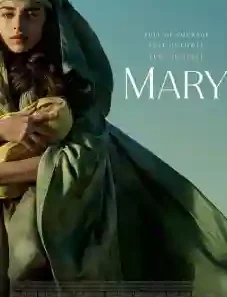
Mary (2024) – Complete Review – Zvideo
Mary (2024), directed by D.J. Caruso and written by Timothy Michael Hayes, is a cinematic portrayal of one of the most iconic figures in religious history, Mary, the mother of Jesus. The film combines a deep exploration of faith, personal sacrifice, and historical events with visually stunning cinematography that brings the ancient world to life. Set against the backdrop of a crumbling empire, the story chronicles the life of Mary, portrayed by the talented Noa Cohen, from her birth to her role as the mother of the Messiah.
With a talented cast, including Ido Tako and Ori Pfeffer, Mary offers a fresh perspective on the events surrounding her life, exploring her spiritual journey, struggles, and ultimate purpose in the grand design of history. This review will delve into the movie’s storyline, characters, themes, and cinematography, offering an in-depth analysis of what makes this retelling of Mary’s life unique.
Plot Overview
Mary opens with a hauntingly powerful scene: Mary and her father, Joachim, are depicted traversing the barren desert in search of divine intervention. They embark on a forty-day fast, undertaking acts of penance and pleading with God for the gift of a child. This intense opening sequence sets the stage for the religious themes that permeate the film. From the very start, the audience is immersed in a spiritual journey, witnessing a deeply personal struggle for divine favor.
The film follows the birth of Mary, a significant event that coincides with the decline of King Herod’s oppressive reign. This moment marks the beginning of a new chapter for the world, but it is only the prelude to a much more profound event—the birth of Jesus, the Messiah. Throughout the film, Mary’s life is intertwined with the larger narrative of faith and redemption, with the arrival of her son ultimately overshadowing all other events.
Mary is told through the eyes of Noa Cohen, who not only plays the titular character but also serves as the film’s narrator. This dual role allows the audience to connect with Mary on a deeper level, offering a personal perspective on her trials, tribulations, and ultimate fulfillment of her divine purpose.
The film’s pacing takes viewers through various stages of Mary’s life—from her childhood and early struggles to her eventual role as the mother of Jesus. As Mary matures, the story shifts its focus toward the tensions of living in an oppressed society, and her growing realization of the monumental task ahead. The arrival of Jesus, and Mary’s role in his birth, adds another layer of depth to her character, showcasing her unwavering faith and acceptance of God’s will.
Characters and Performances
One of the most striking elements of Mary is its rich character development, particularly of the titular character herself. Noa Cohen delivers an exceptional performance, capturing the complexity of Mary’s journey with sensitivity and grace. As both the narrator and the central figure, Cohen skillfully portrays Mary’s innocence, strength, and quiet resilience. Through her portrayal, Cohen humanizes Mary, offering a nuanced take on a figure often seen through the lens of religious iconography rather than personal experience.
Cohen’s Mary is not simply a passive vessel for divine will; she is a woman of great inner strength, who grapples with profound questions of faith, purpose, and sacrifice. Her portrayal emphasizes Mary’s humanity, allowing the audience to witness her growth as a mother, as a believer, and as a woman caught in the crossfire of political and spiritual upheaval.
Ido Tako plays Joachim, Mary’s father, whose role in the film highlights the importance of faith and persistence in the face of adversity. His devotion to God, as seen in the early scenes of fasting and penance, offers a powerful contrast to the harshness of the world around him. Tako’s portrayal of Joachim is tender and sincere, portraying him as a loving and supportive figure, guiding Mary on her journey.
Ori Pfeffer plays an essential role as King Herod, a tyrant whose oppressive rule casts a shadow over Mary’s world. Though Herod’s presence is less dominant in terms of screen time, Pfeffer effectively conveys the fear and instability his reign creates. His character serves as a stark reminder of the challenges and dangers Mary faces as she navigates her faith and the larger political landscape
Cinematography and Visual Aesthetics
One of the standout aspects of Mary is its breathtaking cinematography, which brings the ancient world of Israel to life in vivid detail. The film’s visual style evokes a fantastical vision of ancient times, reminiscent of the Arabian Nights-inspired cityscapes found in mythological tales. The world of Mary is both beautiful and harsh, a reflection of the contradictions that defined life during this period.
The sweeping desert landscapes are particularly noteworthy, as they convey a sense of isolation and spiritual longing. The opening scene, in which Mary and Joachim journey through the barren desert, is captured with an almost dreamlike quality. The vast expanse of the desert is contrasted with the intimate, personal moments of the characters, creating a visual tension that mirrors their internal struggles.
The film’s depiction of ancient Israel is equally captivating. From the humble homes and villages to the grandiose architecture of Jerusalem, the set design and locations transport the audience to a time long past. The filmmakers use light and shadow to evoke a sense of mystery, highlighting the ethereal nature of Mary’s story. This blending of reality and fantasy enhances the mythic quality of Mary’s life, making her journey feel timeless and universal.
Themes and Symbolism
At its core, Mary explores themes of faith, sacrifice, and divine purpose. The film emphasizes the importance of trust in God’s plan, even when faced with seemingly insurmountable challenges. Mary’s journey is one of deep spiritual awakening, as she learns to embrace her role in a grand narrative that stretches beyond her understanding.
The opening scenes, in which Joachim and Mary engage in acts of penance, set the stage for the spiritual themes that permeate the film. Their devotion and prayers for a child reflect a universal longing for connection to the divine, while also underscoring the importance of patience and humility in the face of God’s will.
The arrival of Jesus is depicted not only as the fulfillment of Mary’s personal faith but as the fulfillment of a greater promise to humanity. The film highlights Mary’s role as a mother, not just of Jesus, but of a world in need of redemption. Her acceptance of her role is portrayed as an act of profound faith, one that requires her to surrender her own desires for the sake of a greater purpose.
Another key theme explored in the film is the tension between personal will and divine will. As Mary matures and learns of her unique role in the world, she must reconcile her own desires with the overwhelming weight of her destiny. This inner conflict is explored with sensitivity, offering a humanizing portrayal of a woman who, despite her miraculous calling, is not immune to doubt, fear, or the pain of sacrifice.
Cultural and Historical Context
Mary (2024) is not just a personal story but also a reflection of the cultural and historical context of the time. Set during the reign of King Herod, the film captures the tension between Roman rule and Jewish tradition, offering a glimpse into the political struggles that shaped the world of Mary and Jesus. The film touches on the hardships faced by the Jewish people under Herod’s reign, portraying the oppressive atmosphere of the time and the profound longing for liberation that permeated the society.
The depiction of Mary as a central figure within this historical context adds depth to her character, framing her not only as the mother of the Messiah but also as a symbol of hope in a time of despair. Her unwavering faith becomes a beacon of light in a world filled with political instability, violence, and injustice.
Conclusion
Mary (2024) is a visually stunning and emotionally resonant film that offers a fresh perspective on the life of one of the most revered figures in history. Through exceptional performances, particularly by Noa Cohen, and breathtaking cinematography, the film brings Mary’s journey to life in a way that is both intimate and grand in scope.
The movie masterfully explores themes of faith, sacrifice, and divine purpose, while also providing a nuanced portrayal of Mary as a woman who grapples with her calling in a world of chaos. Mary is a film that not only delves into the life of its titular character but also reflects on the timeless struggle between personal will and divine destiny, making it a compelling watch for both religious and historical audiences alike.
Related Article

Bono: Stories of Surrender (A) – Complete Review – Zvideo

Fight or Flight – Complete Review – Zvideo
