
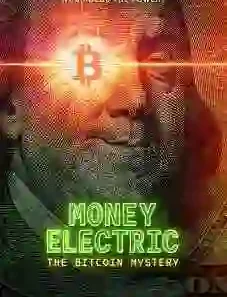
Money Electric: The Bitcoin Mystery (2024) – Complete Review – Zvideo
Money Electric: The Bitcoin Mystery is a 100-minute documentary film directed and written by Cullen Hoback. The documentary delves into one of the most intriguing unsolved mysteries of the digital age: the identity of Satoshi Nakamoto, the elusive creator of Bitcoin. Over the years, speculation about Nakamoto’s identity has captivated the cryptocurrency community and the wider world. With the rise of Bitcoin as a groundbreaking financial tool, the search for Nakamoto has become an obsession for many, from enthusiasts to journalists to even government agencies.
The film explores a theory that has surfaced in the wake of increasing interest and debate about Bitcoin’s origins—could Todd, an individual named in the documentary, be Satoshi Nakamoto? Hoback’s documentary examines this idea through circumstantial evidence, including posts from early Bitcoin forums and the cryptic clues embedded in Nakamoto’s original writings.
In this comprehensive review, we will explore the film’s narrative, its critical insights into the search for Satoshi Nakamoto, its cinematographic elements, and the broader impact of the documentary on the world of cryptocurrency. By analyzing the key figures, events, and themes presented, we aim to give readers a complete understanding of Money Electric: The Bitcoin Mystery and its exploration of one of the most significant technological and financial enigmas of the 21st century.
The Storyline and Key Plot Points
At its core, Money Electric: The Bitcoin Mystery attempts to solve a modern-day riddle that has intrigued and baffled millions: who is Satoshi Nakamoto? As the documentary unfolds, it presents Todd as a potential candidate for the identity of Bitcoin’s mysterious creator.
In the film, Hoback interviews key individuals connected to Bitcoin’s early days, including prominent figures like Adam Back, Samson Mow, and the man at the center of the speculation—Todd. Todd himself rejects the assertion that he is Satoshi Nakamoto, even going as far as sending an email to Bloomberg stating, “Cullen is false. I’m not Satoshi.”
Despite Todd’s denial, the documentary examines circumstantial evidence, such as his involvement in early Bitcoin forums and cryptographic expertise, to argue that Todd could be the elusive figure behind Bitcoin. This leads to the exploration of Nakamoto’s writings, where certain linguistic patterns and cryptographic clues seem to point in Todd’s direction.
However, Money Electric doesn’t offer a definitive answer to Nakamoto’s identity. Instead, it presents a series of possible theories, each contributing to the mystery surrounding the creator’s true identity. The film also contemplates whether Nakamoto could be an individual or a group, a question that has long been debated within the cryptocurrency community.
The Quest for Satoshi Nakamoto
Since Bitcoin’s introduction in January 2009, the identity of Satoshi Nakamoto has been a subject of constant speculation. Early on, Nakamoto communicated with other developers and users of the Bitcoin network through online forums, but little was known about the person or people behind the pseudonym. Some theories suggest that Nakamoto could be an individual with advanced cryptographic knowledge, while others speculate that it could be a group of people working together to create Bitcoin.
The documentary provides a brief history of Bitcoin’s origins, touching upon its revolutionary potential to disrupt traditional banking systems and redefine the concept of currency. By tracing the development of Bitcoin from its inception, Hoback sets the stage for a broader discussion on Nakamoto’s legacy and impact on the world of finance and technology.
As Bitcoin gained widespread recognition, many individuals have been proposed as possible candidates for Nakamoto’s identity. Figures such as Hal Finney, Nick Szabo, and Craig Wright have all been suggested, though none have been conclusively proven to be Satoshi. The documentary highlights these various theories, while centering its investigation on Todd as a possible contender.
The Focus on Todd
The film’s central figure, Todd, is a person who was actively involved in the early stages of Bitcoin’s development. He participated in early forums dedicated to Bitcoin, which has led some to believe that he may have played a larger role in its creation than initially thought. The documentary places heavy emphasis on the notion that Todd’s cryptographic skills and involvement in Bitcoin’s early days could make him a plausible candidate for Nakamoto.
Throughout the film, Hoback presents circumstantial evidence that supports this theory. For example, posts from early Bitcoiner forums indicate that Todd had knowledge of certain aspects of Bitcoin’s architecture before it was publicly known. This raises questions about whether Todd could have had access to the technical details of the cryptocurrency prior to its official release.
However, Todd vehemently denies the allegations, stating that he is not Satoshi Nakamoto. In a highly publicized email to Bloomberg, he refutes Hoback’s assertions, denying any involvement in the creation of Bitcoin. Despite Todd’s denial, the film suggests that the evidence pointing to him is far from conclusive.
The Documentary’s Approach to Cryptography
One of the film’s most engaging aspects is its exploration of the role that cryptography played in the creation of Bitcoin. Hoback provides viewers with a detailed overview of the technical aspects of Bitcoin, including its use of encryption algorithms and decentralized ledger systems. By shedding light on the complexities of Bitcoin’s underlying technology, the documentary makes a compelling case for why Nakamoto’s identity has remained elusive.
The film explores the possibility that Nakamoto’s true identity could be hidden within the code itself. In particular, Hoback investigates how the cryptographic language used in Bitcoin’s development might contain subtle clues about Nakamoto’s background or motivations. This investigation into the role of cryptography highlights the broader implications of Bitcoin as a financial and technological breakthrough, as well as the importance of understanding the cryptographic principles that make it function.
The Global Impact of Bitcoin
Beyond the search for Nakamoto, Money Electric also examines the far-reaching consequences of Bitcoin’s rise to prominence. Since its creation, Bitcoin has grown exponentially, attracting the attention of financial institutions, businesses, and governments around the world. The documentary highlights the significant ways in which Bitcoin has been integrated into the global financial system, with companies like MicroStrategy Inc. holding substantial amounts of Bitcoin in their corporate reserves.
Bitcoin’s inclusion in US exchange-traded funds (ETFs) has further cemented its place as a legitimate asset class, with billions of dollars worth of Bitcoin now being traded on financial markets. The film highlights the paradox of Bitcoin’s decentralized origins and its growing institutional adoption. It also explores the implications of Bitcoin’s success for the future of currency, banking, and the global economy.
The documentary offers a nuanced look at the political and economic forces that are shaping Bitcoin’s future. It discusses the potential for Bitcoin to disrupt traditional banking systems, as well as the challenges it faces in terms of regulation, security, and scalability.
Theories and Speculations
While Money Electric focuses on Todd as a potential candidate for Nakamoto’s identity, it doesn’t shy away from presenting other theories. Over the years, many individuals have been suggested as possible Satoshis. Some, like Hal Finney and Nick Szabo, are known for their contributions to the early development of cryptographic technology, while others, such as Craig Wright, have publicly claimed to be Nakamoto. However, none of these claims have been definitively proven.
The documentary explores the plausibility of these various theories, offering insights into the motivations and backgrounds of the individuals proposed as Satoshi. By presenting a range of possibilities, Hoback emphasizes the complexity of the mystery and the uncertainty that surrounds Nakamoto’s true identity.
Cinematographic Elements
Cullen Hoback’s direction and writing are central to the film’s engaging narrative. The documentary employs a mix of interviews, archival footage, and expert commentary to unravel the mystery of Nakamoto’s identity. The pacing is deliberate, allowing viewers to follow the progression of the investigation and absorb the complexities of the subject matter.
Visually, Money Electric utilizes a sleek, minimalist style that reflects the digital nature of Bitcoin. The use of cryptographic imagery, code snippets, and visual representations of the Bitcoin network adds to the film’s technical depth. The documentary also includes dramatic reenactments and animated sequences to illustrate key moments in Bitcoin’s history, further enhancing the viewer’s understanding of the subject.
Conclusion
Money Electric: The Bitcoin Mystery is a thought-provoking and comprehensive documentary that offers an in-depth exploration of one of the most fascinating mysteries of the digital age. By focusing on Todd as a potential candidate for Satoshi Nakamoto, the film provides a unique perspective on the origins of Bitcoin and the cryptographic genius behind its creation. While the documentary doesn’t provide a definitive answer, it raises important questions about the nature of identity, cryptography, and the future of digital currency.
In addition to its investigation into Nakamoto’s identity, the film also highlights Bitcoin’s transformative impact on the global financial system. With its combination of technical analysis, expert interviews, and speculative theories, Money Electric is a must-watch for anyone interested in the intersection of technology, finance, and mystery. Whether or not Todd is Satoshi Nakamoto remains unclear, but the documentary offers a compelling and engaging look into the ongoing search for the creator of Bitcoin.
Related Article

The Three Michaels (2024) – Complete Review – Zvideo

Becoming Hitchcock: The Legacy of Blackmail (2024) – Complete Review – Zvideo