
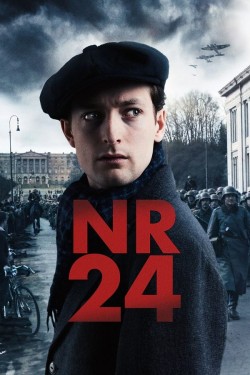
Number 24 (2024) – Complete Review – Zvideo
Released on October 30, 2024, Number 24 is a compelling war drama set against the backdrop of World War II. A collaboration between Norway and Lithuania, this film transports audiences to a pivotal moment in history where a young Norwegian man, driven by his determination to resist the Nazi occupation, begins a journey that will not only change his future but also the fate of his country. The movie, blending historical facts with fiction, is a gripping portrayal of resistance, personal sacrifice, and the weight of decisions made during times of war.
With its strong cast, including Kristian Halken, Per Kjerstad, August Wittgenstein, Erik Hivju, and Espen Lervaag, Number 24 provides an emotional and historically rich narrative that offers viewers an intimate look at the life of individuals who fought against the overwhelming tide of the Nazi forces. This review delves into the key aspects of the film, analyzing its themes, performances, direction, and overall impact.
Plot Overview
Set on the eve of the Second World War, Number 24 introduces us to a young Norwegian man, whose quiet life is shattered by the invasion of Nazi forces. The protagonist, whose name remains largely unknown to the public, represents a generation caught in the whirlwind of global conflict. As Nazi troops descend upon Norway, the man, alongside others, is forced to confront the rising tide of fascism and militarism.
In the beginning, the film shows a peaceful Norway, still in the grip of normalcy and daily routines. However, the Nazi occupation is an inevitable storm that sweeps through the country. The central character’s shift from a regular civilian to a member of the Norwegian resistance movement marks the turning point of the film.
The film’s title, Number 24, refers to a cryptic code used by the resistance group the protagonist is part of. As the story unfolds, the resistance fighters are forced to navigate the treacherous world of espionage, betrayal, and warfare. Their bravery and commitment become the backbone of the film, as they fight not just for their lives but for the survival of their identity and freedom.
Thematic Exploration
- Resistance Against Tyranny
At its core, Number 24 is a story of resistance. It explores the moral and personal costs of standing up against tyranny and occupation. The protagonist’s shift from passivity to action encapsulates the internal conflict many faced during wartime. Resistance is not just about fighting; it is about making choices that could cost everything. The film provides a nuanced look at the psychological impact of those choices.
The resistance, portrayed with gripping intensity, shows that the fight against the Nazis was not just about armed rebellion. It was about a deep-rooted need to preserve humanity, culture, and individual freedom against an overwhelmingly oppressive force. The character of the young Norwegian man represents the idea that anyone, regardless of their initial role in society, can make a significant difference in the face of injustice.
- Sacrifice and Brotherhood
One of the more poignant themes explored in Number 24 is sacrifice. The film highlights how ordinary individuals, caught up in extraordinary circumstances, are asked to give up their safety, their families, and sometimes their lives, for a cause greater than themselves. The sense of brotherhood that develops among the resistance members is integral to the narrative, emphasizing the bonds that are formed in the most dire of times.
The film does not shy away from showing the brutal realities of war. Each character’s sacrifices, whether emotional, physical, or mental, paint a vivid picture of the cost of resistance. The camaraderie within the group is tested, but their collective effort to bring down the Nazi regime remains unwavering.
- The Impact of War on Identity
As the protagonist engages in his resistance activities, his identity evolves. He is no longer just a young man, but a symbol of defiance. Number 24 explores how war forces individuals to question their roles in society and their place in the world. The protagonist’s development is marked by the tension between personal identity and the identity he is forced to adopt due to the war.
War, in this context, is a shaping force. It changes the very fabric of who people are, making them either hardened survivors or broken souls. The film explores how this shift affects those who fight, the ones they love, and the future they hope to rebuild once the war is over.
- Morality and Betrayal
The theme of morality under pressure is central to the story of Number 24. As the protagonist and his comrades engage in covert operations, they are faced with difficult moral choices. The complexity of right and wrong becomes blurred as they navigate a world where survival often means compromising one’s values. The resistance is filled with moral ambiguity, as actions are taken to undermine the Nazis, but not without consequences.
Betrayal is also a significant theme in the film. Throughout the movie, the resistance faces betrayals from both within and outside their ranks. This ever-present threat adds to the tension and uncertainty of their mission, creating an atmosphere of distrust and vulnerability. The film captures how betrayal can come in many forms, from informants to broken alliances, making the path to victory even more treacherous.
Character Development
The film’s success largely hinges on its characters and the performances of the actors involved.
- Kristian Halken as the Protagonist
Kristian Halken’s portrayal of the young Norwegian man is both haunting and inspiring. As a character who begins with a relatively simple life, Halken conveys the transformation from an ordinary citizen to a committed resistance fighter with subtlety and depth. His internal struggle and moments of vulnerability make him relatable, even as his actions become increasingly dangerous. Halken’s performance is one of the film’s most captivating elements, drawing the audience into the emotional turmoil of his character.
- Per Kjerstad as the Resistance Leader
Per Kjerstad delivers a strong performance as the resistance leader, guiding the group through perilous missions while also showing the heavy burden of leadership. Kjerstad’s portrayal of the character’s unwavering commitment to the cause, despite personal loss and challenges, adds gravitas to the film. His leadership is not only strategic but also moral, as he constantly has to balance the greater good against individual sacrifices.
- August Wittgenstein, Erik Hivju, and Espen Lervaag
The supporting cast, including August Wittgenstein, Erik Hivju, and Espen Lervaag, also deliver standout performances. Wittgenstein brings complexity to his role as a fellow resistance fighter, providing a sense of camaraderie and tension within the group. Hivju’s portrayal of a hardened soldier adds to the film’s realism, highlighting the brutal side of war. Lervaag plays a character who is conflicted between loyalty to the cause and personal survival, reflecting the moral dilemmas faced by many during the war.
Direction and Cinematography
Directed by a talented team with a passion for historical accuracy, Number 24 boasts stunning cinematography that captures the rugged Norwegian landscape and the tension of wartime. The director’s ability to balance intimate moments of character development with large-scale action sequences creates a captivating visual experience.
The use of natural landscapes enhances the film’s historical setting, contrasting the beauty of Norway’s wilderness with the horror of war. The film’s action sequences are intense and well-choreographed, effectively conveying the danger and chaos of resistance operations.
The pacing of the film is another strong point, as it maintains a steady balance between action, dialogue, and character moments. The film never lingers too long on any one element, keeping the audience engaged from start to finish.
Historical Accuracy and Representation
Number 24 excels in its depiction of Norway during World War II. The filmmakers paid close attention to historical details, from the uniforms of Nazi soldiers to the weapons and tactics used by the resistance. The film does an excellent job of capturing the atmosphere of occupied Norway, showing the fear, distrust, and desperation that permeated everyday life during the war.
At the same time, Number 24 is not a documentary, and it takes certain creative liberties with the narrative to enhance the drama and personal stakes of the story. These fictional elements do not detract from the film’s historical significance but rather serve to make the personal journey of the protagonist more compelling.
Conclusion
Number 24 (2024) is a powerful war drama that takes viewers on a gripping journey through the struggles and sacrifices of the Norwegian resistance during World War II. With its strong performances, historical accuracy, and emotional depth, the film is a poignant reminder of the courage and resilience of those who fought against tyranny.
The movie not only provides a detailed and immersive look into the wartime experience but also serves as a reflection on the impact of war on individuals and societies. It explores themes of resistance, sacrifice, morality, and identity, all set against the backdrop of one of the most defining conflicts in history
Related Article

Mary Cassatt: Painting the Modern Woman 2023 – Complete Review – Zvideo

The Mollie Project 2025 – Complete Review – Zvideo
