
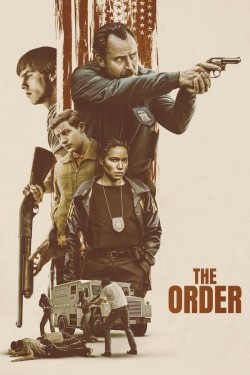
The Order (2024) – Complete Review – Zvideo
In recent years, cinema has explored an increasing number of real-world stories that highlight the darkest aspects of society, from domestic terrorism to corruption and violence. The 2024 crime thriller The Order is one such film, delving deep into a high-stakes investigation involving a series of violent robberies, domestic terrorism, and a perilous fight to prevent a nationwide catastrophe. Directed by an ensemble of seasoned filmmakers and starring notable actors like Jude Law, this gripping narrative unfolds against the backdrop of the Pacific Northwest, where a series of increasingly violent heists raises alarms, bringing the FBI to the forefront of a national crisis.
In this comprehensive review, we will break down The Order (2024), including its plot, performances, direction, cinematography, and overall impact. Along with our review, we will explore the significance of the film’s historical basis, its portrayal of white supremacy, and how the film uses real-world events as the foundation for its harrowing and suspenseful storyline.
The Order (2024) – Movie Overview
Release Date: December 5, 2024
Genres: Crime, Drama, Thriller
Country: United Kingdom, United States
Production Studios: Riff Raff Entertainment, Chasing Epic Pictures, AGC Studios
Cast: Jude Law, Phillip Lewitski, Bradley Stryker, Matias Garrido, Morgan Holmstrom, Odessa Young
Tagline: A Violent Uprising, A Nation’s Last Stand
Plot Summary of The Order
The film begins with a series of brazen daylight bank robberies and armored car heists, which leave law enforcement stumped and the public living in fear. As the heists become more violent and reckless, tensions rise throughout the Pacific Northwest. The thieves’ escalating tactics suggest that the stakes are much higher than just money, prompting FBI agent Terry Husk (played by Jude Law) to investigate further.
Husk’s investigation uncovers a disturbing possibility: the robberies are not just financially motivated, but are the work of a radical group aiming to fund an armed uprising against the United States government. Husk, a seasoned FBI agent, becomes convinced that the robbers are connected to a white supremacist militia, led by the malicious and racist Bob Mathews, who is determined to spark a violent rebellion that could shake the very foundations of the nation.
As Husk and his team dive deeper into the world of extremist groups, they find themselves up against a ruthless enemy with a war chest of over $4 million. The stakes continue to rise, and with each passing day, the group gets closer to achieving their deadly mission. In the final act, the tension culminates in a bloody standoff that will forever alter the course of U.S. history.
A True Story: The Historical Context Behind The Order
The most chilling aspect of The Order is its basis in real events. While the specifics of the heists and the characters may have been fictionalized for dramatic purposes, the core premise draws from incidents of domestic terrorism and white supremacy that have plagued the United States in recent decades. The film highlights the very real threats posed by radical groups who see violent rebellion as the only answer to their extremist ideologies.
The character of Bob Mathews, for example, is loosely based on real-life figures associated with militia groups and domestic terrorism in the Pacific Northwest. While not directly mirroring any single individual, Mathews’ character embodies the dangerous ideologies and actions of extremist factions that have sought to undermine democratic institutions in the United States.
By drawing attention to this dark chapter in history, The Order raises important questions about the vulnerability of national security, the rise of violent extremist groups, and the potential for civil unrest. It reflects real fears about the future, making the events portrayed in the film feel not just relevant, but imminent.
The Themes of The Order
At its core, The Order is a film about the battle between good and evil, but it also delves into much deeper themes that resonate with contemporary societal issues. Below are some of the primary themes explored in the movie:
Domestic Terrorism and Extremism
The most prominent theme of The Order is the growing threat of domestic terrorism. The film serves as a chilling reminder that threats to national security are not always external; sometimes, they come from within. The militia group in the film embodies the radicalization of individuals driven by hate, fear, and an overwhelming desire for power.
Government Response to Rising Extremism
Throughout the film, the government’s response to this rising extremism becomes a central plot point. FBI agent Terry Husk must navigate the complexities of dealing with an invisible enemy—an ideology that has been spreading like wildfire, far beyond the reach of conventional law enforcement.
Violence and the Consequences of Radicalization
The violence in The Order isn’t merely a plot device—it serves as a representation of the deep, psychological toll that radicalization can take on individuals and societies. The film forces viewers to consider how unchecked hate can spiral out of control, leaving a trail of destruction in its wake.
The Performances: Jude Law’s Unyielding Lead Role
Jude Law delivers a standout performance as FBI agent Terry Husk. As the movie’s emotional anchor, Law’s portrayal of a man grappling with the consequences of his mission is both compelling and heart-wrenching. Husk is more than just a lawman—he is a human being caught in the moral gray area of doing what’s necessary to stop a catastrophe. Law skillfully portrays Husk’s conflict between his duty and his personal beliefs, making him a relatable and sympathetic figure.
The supporting cast is equally strong. Phillip Lewitski, who plays a key member of the FBI team, provides a solid foil to Husk, showing the complexities of their partnership and the different approaches to the investigation. Bradley Stryker and Odessa Young also add emotional depth to the film as members of the white supremacist group, making them more than just mere antagonists, but human beings driven by ideologies that fuel their actions.
Cinematography and Direction
The cinematography in The Order plays a crucial role in amplifying the tension and unease throughout the film. The Pacific Northwest’s misty, dense forests and desolate highways become a metaphor for the characters’ struggles and the unknown path that lies ahead. The dark, moody lighting complements the high-stakes narrative, further immersing viewers into the film’s atmosphere.
The direction of the film is unflinching. Every scene serves a purpose, whether it’s to advance the plot or reveal the emotional undercurrents of the characters. The pacing is deliberate, allowing the tension to build steadily and making the climactic moments all the more impactful. The final standoff between Husk and Bob Mathews is a tense, heart-pounding sequence that showcases both the personal stakes and the broader implications of the mission.
Social Commentary: Addressing White Supremacy and Racism
One of the film’s most significant contributions is its bold examination of white supremacy and racism. By focusing on a militia group with racist ideologies, The Order brings attention to the growing issue of far-right extremism in the United States. The film does not shy away from exposing the hatred and violence that these groups propagate.
However, the film also challenges viewers to consider the broader societal impact of such ideologies. It highlights the dangerous consequences when these groups gain resources and momentum, threatening not only the safety of individuals but the stability of entire nations.
The Act
The final act of The Order is a thrilling and harrowing culmination of everything that’s come before it. The standoff between FBI agent Terry Husk and the militia group is tense and bloody, as each side is prepared to fight for what they believe in. It is a brutal reminder of the lengths to which extremists will go to achieve their goals, as well as the cost of law enforcement in upholding peace and order.
The film ends on a somber note, leaving viewers to reflect on the impact of the events and the lessons to be learned. It is a poignant commentary on the fragility of democracy and the need for vigilance against threats that come from within.
Conclusion
The Order (2024) is a film that captivates from beginning to end. With a compelling true-story basis, strong performances, intense direction, and a focus on real-world issues, it is both a gripping thriller and an important social commentary. Its exploration of white supremacy, domestic terrorism, and the consequences of radicalization makes it a timely film that resonates with contemporary concerns.
If you’re a fan of high-stakes crime thrillers, social drama, and compelling performances, The Order is a must-watch. Its chilling depiction of a dangerous extremist plot and the personal cost of preventing disaster makes it one of the standout films of 2024.
FAQs About The Order (2024)
Is The Order based on a true story?
Yes, the film is inspired by real-life events involving domestic terrorism and white supremacist militia groups operating in the United States.
Who plays the lead role in The Order?
Jude Law stars as FBI agent Terry Husk.
Where can I watch The Order online?
The film will be available on popular streaming platforms starting December 2024. Keep an eye on your favorite streaming service for its release.
Is The Order suitable for all audiences?
Given its themes of violence, domestic terrorism, and white supremacy, The Order is recommended for mature audiences. Viewer discretion is advised.
Related Article

Angel of Beggars 2025 – Complete Review – Zvideo

Fragile Heart 2022 – Complete Review – Zvideo