
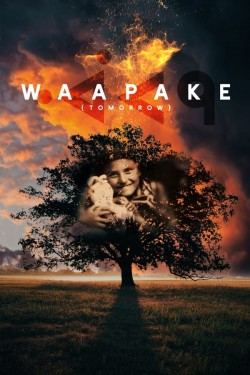
WaaPaKe (Tomorrow) (2024) – Complete Review – Zvideo
WaaPaKe (Tomorrow) is a groundbreaking documentary that delves deep into the themes of resilience, love, and transformation. Directed by Jules Koostachin, the film is a poignant portrayal of intergenerational trauma and healing, seen through an Indigenous lens. Released on March 23, 2024, and produced by the National Film Board of Canada (ONF | NFB), WaaPaKe (Tomorrow) has captivated audiences with its raw storytelling and compassionate approach.
This documentary takes viewers on a heartfelt journey, exploring the lasting impacts of residential schools on Survivor-Warriors and their families. Through candid interviews with five individuals, Jules Koostachin brings to light the stories of pain, resilience, and the transformative power of love. This review dives into every aspect of the film, including its themes, direction, performances, and cultural significance.
Plot Summary
At its core, WaaPaKe (Tomorrow) is about understanding intergenerational trauma and the pathways to healing. The film’s narrative unfolds in a unique studio setup in front of a green screen, symbolizing the layered reality of storytelling and memory. Jules Koostachin’s interviews with five individuals – family members, friends, and those directly or indirectly affected by residential school trauma – form the backbone of the film.
The documentary doesn’t shy away from exploring painful histories but balances this with stories of love and resilience. Each interview sheds light on the lived experiences of the subjects, revealing how trauma has rippled through generations and how healing becomes possible through understanding, compassion, and reconnection with Indigenous traditions.
Direction and Vision
Jules Koostachin’s direction is one of the most compelling aspects of WaaPaKe (Tomorrow). As a storyteller, Koostachin approaches each interview with empathy and sensitivity, creating a safe space for individuals to share their stories. Her decision to use a green screen backdrop is both artistic and symbolic, highlighting the layers of history and memory that define the narratives.
The documentary’s pacing is deliberate, giving viewers time to absorb the emotional weight of the stories while reflecting on the broader implications of intergenerational trauma. Koostachin’s background as an Indigenous filmmaker enriches the storytelling, ensuring authenticity and cultural resonance throughout the film.
Themes Explored in WaaPaKe (Tomorrow)
Resilience
The film’s title, WaaPaKe (Tomorrow), reflects the enduring spirit of hope and resilience among Indigenous communities. The stories of Survivor-Warriors highlight the strength required to confront and overcome the trauma inflicted by residential schools.
Love and Connection
Amid the pain and trauma, WaaPaKe (Tomorrow) emphasizes the transformative power of love. The connections between family members and the rediscovery of cultural roots play a pivotal role in the healing process.
Intergenerational Trauma
A central theme of the documentary is intergenerational trauma—how the pain and scars of residential school survivors have impacted their descendants. By addressing these issues openly, the film provides a platform for healing and understanding.
Healing and Reconciliation
The documentary doesn’t just dwell on the past; it also explores pathways to healing and reconciliation. By embracing Indigenous traditions and fostering open conversations, the film offers hope for a better tomorrow.
Performances
The cast of WaaPaKe (Tomorrow) includes:
- Asivak Koostachin
- Pawaken Koostachin-Chakasim
- Lynn Power
- Maisie Smith
- Rita Okimawinninew
Each participant brings a unique perspective to the film, enriching its narrative. Their stories are heartfelt and authentic, resonating deeply with viewers. The emotional depth displayed by the cast adds a layer of rawness that makes WaaPaKe (Tomorrow) a truly impactful watch.
Cinematography and Aesthetic Choices
The use of a green screen backdrop is a striking visual element that sets WaaPaKe (Tomorrow) apart. This minimalist approach shifts the focus entirely onto the subjects and their stories, removing distractions and emphasizing the importance of their words. The starkness of the setup symbolizes the rawness of the emotions conveyed, creating a visual metaphor for the stripped-down truth of their experiences.
Cultural and Social Significance
WaaPaKe (Tomorrow) is not just a film; it’s a cultural milestone. By shedding light on the lasting impacts of residential schools, it contributes to the ongoing dialogue about reconciliation in Canada. The film highlights the importance of preserving Indigenous traditions and fostering understanding among diverse communities.
In the broader context, the documentary serves as a call to action for audiences worldwide to acknowledge historical injustices and support healing initiatives for affected communities.
Strengths of the Film
Authentic Storytelling
The documentary’s authenticity stems from its honest and unfiltered portrayal of its subjects. Jules Koostachin’s empathetic approach ensures that each story is told with respect and dignity.
Emotional Impact
WaaPaKe (Tomorrow) is deeply moving, leaving a lasting impression on its viewers. The stories of resilience and healing resonate universally, making it a powerful experience for audiences of all backgrounds.
Cultural Representation
By centering Indigenous voices, the film amplifies stories that are often overlooked or misunderstood. This representation is crucial for fostering understanding and reconciliation.
Minimalist Aesthetics
The green screen setup is a bold choice that pays off, focusing attention on the subjects and their narratives while symbolizing the layered nature of memory and history.
Criticisms and Limitations
While WaaPaKe (Tomorrow) is a remarkable documentary, it may not be accessible to all viewers due to its emotionally heavy content. Some audiences might find the deliberate pacing challenging, as the film takes its time to unpack each story. Additionally, the minimalist green screen setup, while symbolic, might not appeal to viewers seeking a more visually dynamic experience.
Where to Watch WaaPaKe (Tomorrow)
For those looking to experience this powerful documentary, WaaPaKe (Tomorrow) is available through the National Film Board of Canada’s streaming platform. It may also be accessible at select film festivals and screenings dedicated to Indigenous cinema. Stay tuned for updates on wider distribution or online availability.
Conclusion
WaaPaKe (Tomorrow) is a profound and necessary documentary that explores the enduring impacts of residential schools through an Indigenous lens. Directed by Jules Koostachin, the film is a testament to the resilience, love, and transformative power of storytelling. Its candid interviews, minimalist aesthetic, and cultural significance make it a must-watch for anyone seeking to understand intergenerational trauma and the pathways to healing.
As a 2024 release, WaaPaKe (Tomorrow) stands out as a crucial contribution to the genre of documentary filmmaking. It not only educates but also inspires, leaving audiences with a sense of hope and a deeper appreciation for the strength of Indigenous communities. Whether you’re drawn to its emotional depth, cultural significance, or artistic approach, this documentary is a cinematic experience that shouldn’t be missed.
Related Article

The Three Michaels (2024) – Complete Review – Zvideo

Becoming Hitchcock: The Legacy of Blackmail (2024) – Complete Review – Zvideo
